Future of Solar Energy in India: Trends, Opportunities & What to Expect by 2030
India is undergoing one of the world’s largest clean energy transitions. With rising electricity demand, increasing environmental awareness, and strong government support, the Future of Solar Energy in India is brighter than ever.
Solar energy has become one of India’s fastest-growing renewable energy sources. As technology advances, installation costs continue to decline, and energy storage solutions become more accessible, homeowners, businesses, industries, and public institutions are increasingly adopting solar power.
In this guide, we’ll explore the future of solar energy in India, the latest industry trends, emerging technologies, investment opportunities, and why now is the ideal time to embrace renewable energy.
Why Solar Energy Is Growing Rapidly in India
India receives abundant sunlight throughout most of the year, making it one of the world’s most suitable countries for solar power generation. Combined with rising electricity prices and increasing sustainability awareness, solar adoption is accelerating across every sector.
Rising Electricity Demand
Rapid urbanization and industrial growth continue to increase India’s electricity consumption every year.
Government Support
Various renewable energy policies and rooftop solar initiatives are encouraging faster adoption.
Falling Solar Costs
Continuous improvements in technology have significantly reduced solar panel and installation costs.
Growing Rooftop Solar
Residential and commercial rooftop solar installations are expanding rapidly across the country.
Commercial Solar Expansion
Businesses are investing in solar power to reduce operating expenses and achieve sustainability goals.
Energy Independence
Consumers increasingly prefer generating their own electricity rather than depending entirely on the utility grid.
Key Trends Shaping the Future of Solar Energy in India
1. Rooftop Solar Will Continue to Expand
Rooftop solar systems are becoming increasingly popular among homeowners, businesses, schools, hospitals, apartments, and commercial buildings because they provide significant long-term financial and environmental benefits.
Lower Electricity Bills
Generate your own electricity and reduce monthly utility expenses.
Higher Return on Investment
Solar systems continue generating savings for decades after installation.
Grid Independence
Reduce dependence on conventional electricity supply through rooftop solar generation.
Cleaner Energy
Produce renewable electricity without greenhouse gas emissions during operation.
Property Value
Energy-efficient homes and commercial buildings are becoming increasingly attractive.
Affordable Financing
Improved financing options are making rooftop solar accessible to more consumers.
2. Battery Energy Storage Systems (BESS)
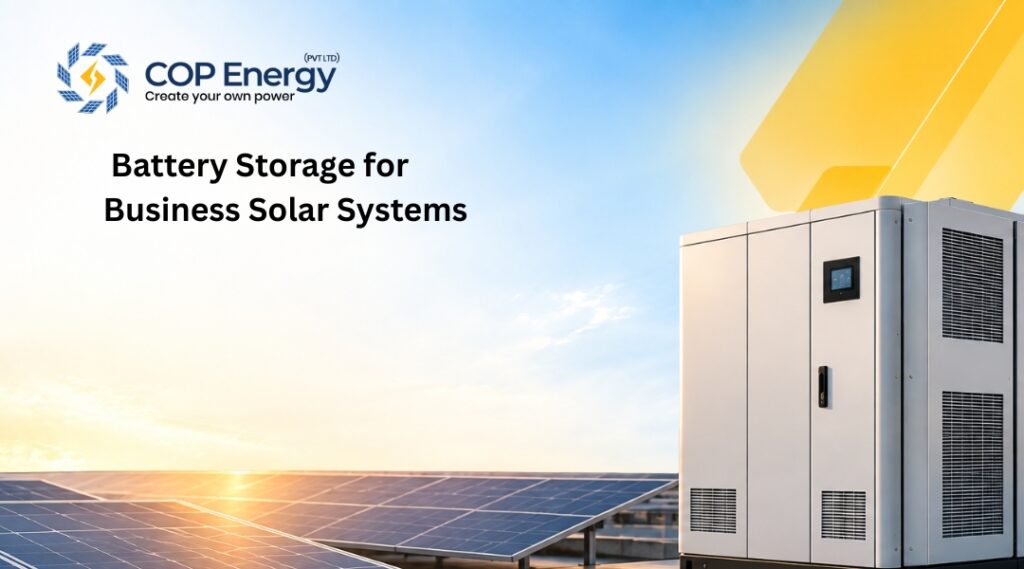
Battery Energy Storage Systems are transforming how solar electricity is stored and used. Instead of exporting excess energy, users can store it for later use during evenings or power outages.
Store Excess Energy
Save unused solar electricity generated during the daytime.
Night-Time Power
Use stored solar energy after sunset without relying entirely on the grid.
Reliable Backup
Battery storage provides dependable electricity during power failures.
Better Solar Utilization
Increase self-consumption of renewable energy instead of exporting it.
Grid Support
Battery storage improves grid stability during periods of high electricity demand.
Future Ready
Declining battery prices will make storage a standard part of future solar installations.
3. Smart Solar Technology
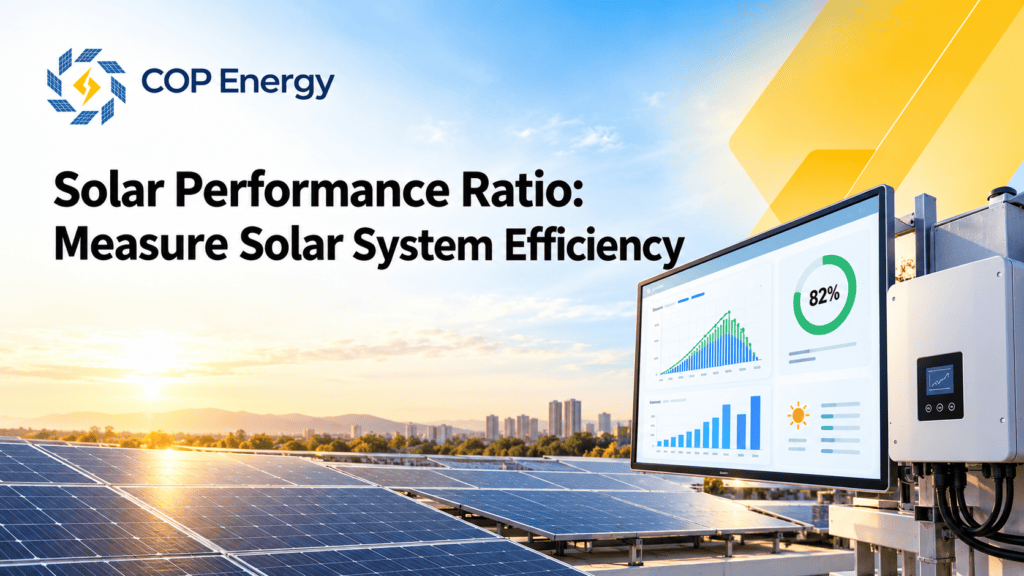
Modern solar installations are becoming increasingly intelligent through digital technologies that improve monitoring, maintenance, and energy management.
Mobile Monitoring Apps
Monitor electricity generation and consumption directly from your smartphone.
AI Performance Analytics
Artificial intelligence identifies performance issues before they affect production.
Smart Inverters
Modern inverters improve efficiency while providing advanced diagnostic features.
Remote Diagnostics
Technicians can detect faults remotely, reducing maintenance time.
Automated Fault Detection
Smart systems identify abnormalities quickly to reduce downtime.
Real-Time Insights
Users gain complete visibility into system performance through cloud-based monitoring.
4. Solar Energy and Electric Vehicles (EVs)
India’s electric vehicle (EV) market is growing rapidly, creating exciting opportunities for integrating solar energy with EV charging infrastructure. Combining rooftop solar with EV charging helps reduce fuel costs while promoting cleaner transportation.
Solar EV Charging Stations
Solar-powered charging stations reduce dependence on conventional grid electricity while supporting sustainable transportation.
Residential EV Charging
Homeowners can charge electric vehicles directly using electricity generated from rooftop solar systems.
Commercial Charging Infrastructure
Businesses are investing in commercial EV charging facilities powered by renewable solar energy.
Battery Storage Integration
Battery Energy Storage Systems improve charging reliability by storing excess solar energy for later use.
Lower Operating Costs
Solar-powered charging significantly reduces long-term vehicle operating expenses.
Cleaner Transportation
The combination of solar energy and EVs supports India’s transition toward low-carbon mobility.
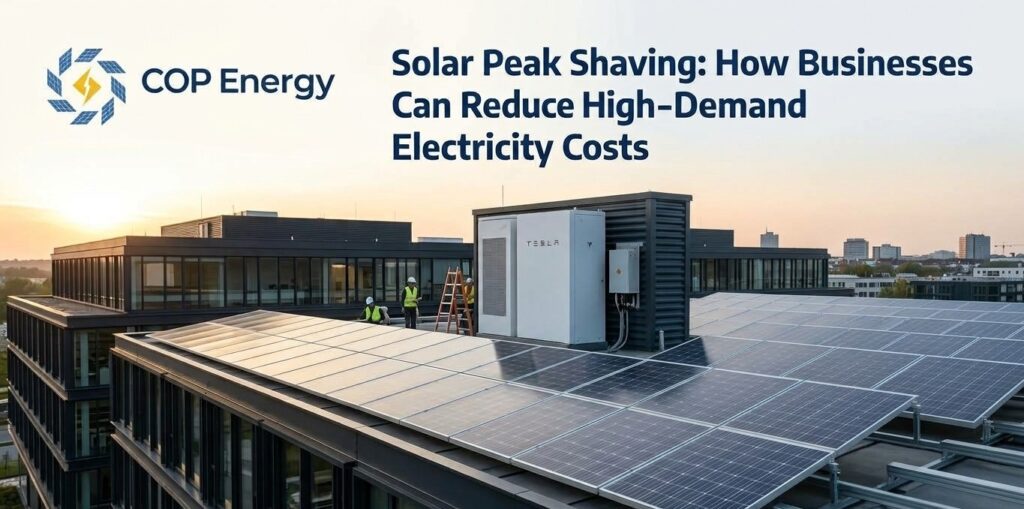
5. Growth in Commercial & Industrial Solar Projects
Commercial and industrial organizations are increasingly adopting solar energy to reduce electricity expenses, improve sustainability, and strengthen long-term business operations.
Reduced Electricity Expenses
Generate clean electricity and lower operational energy costs throughout the year.
Improved Operational Efficiency
Reliable solar power supports continuous business operations while reducing dependence on the grid.
Better ESG Performance
Renewable energy adoption strengthens environmental, social, and governance (ESG) commitments.
Long-Term Savings
Solar systems continue delivering financial benefits over their entire operating lifespan.
Lower Carbon Emissions
Businesses can significantly reduce their environmental footprint through clean energy adoption.
Energy Cost Stability
Solar power helps businesses better manage future electricity price fluctuations.
6. Floating Solar Projects
Floating solar plants are emerging as an innovative renewable energy solution by utilizing lakes, reservoirs, and other water bodies instead of valuable land resources.
Efficient Land Usage
Floating solar systems generate electricity without occupying agricultural or commercial land.
Reduced Water Evaporation
Solar panels provide shade that helps reduce evaporation from reservoirs and lakes.
Natural Cooling
Water helps keep panels cooler, improving their operating efficiency.
Higher Energy Output
Lower operating temperatures often result in improved electricity generation.
Environmental Benefits
Floating solar contributes to cleaner energy production while conserving valuable land resources.
Future Growth
Floating solar is expected to play a major role in India’s renewable energy expansion.
7. Solar Energy in Smart Cities
India’s Smart Cities Mission continues encouraging the integration of renewable energy into modern urban infrastructure to improve sustainability and energy efficiency.
Smart Street Lighting
Solar-powered lighting reduces municipal electricity consumption while improving public infrastructure.
Government Buildings
Public offices are increasingly adopting rooftop solar to reduce operating expenses.
Public Transportation
Solar energy supports sustainable transportation infrastructure and charging facilities.
Educational Institutions
Schools, colleges, and universities are investing in renewable energy systems.
Healthcare Facilities
Hospitals can improve energy reliability while lowering electricity costs through solar power.
Urban Infrastructure
Solar technology is becoming an important component of future-ready smart cities.
Government Initiatives Supporting Solar Growth
The Government of India has introduced several programs and policies to accelerate solar adoption across residential, commercial, and industrial sectors.
Rooftop Solar Schemes
Government programs encourage homeowners to install rooftop solar systems through various support initiatives.
Financial Assistance
Eligible consumers may receive financial support under approved renewable energy programs.
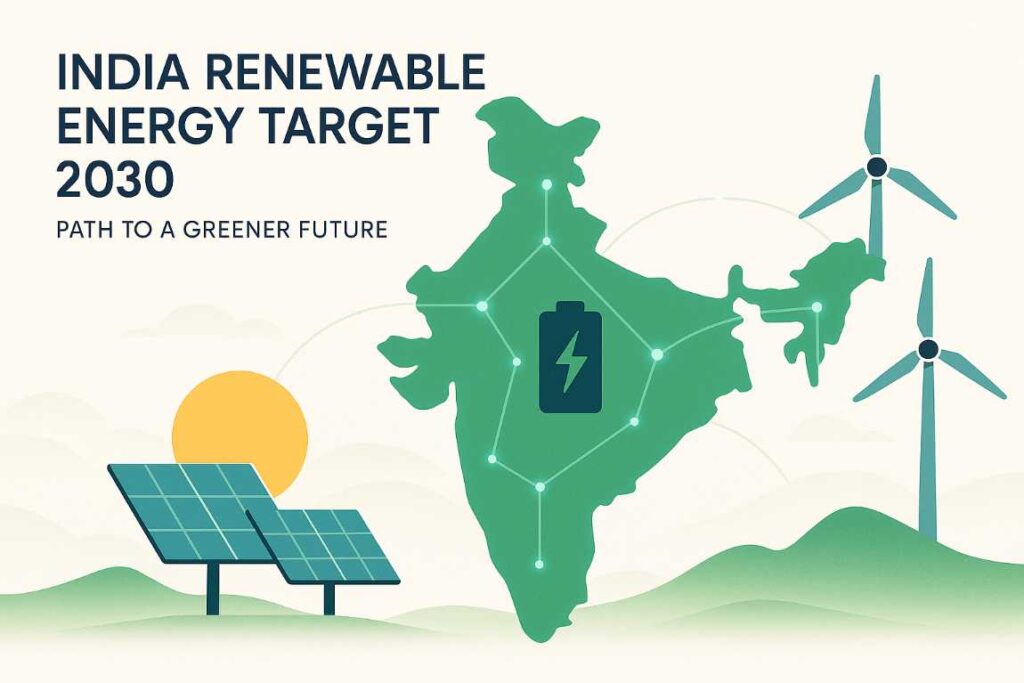
Renewable Energy Targets
India continues setting ambitious clean energy goals to increase solar capacity nationwide.
Domestic Manufacturing
Policies promoting local manufacturing strengthen India’s solar supply chain.
Infrastructure Development
Investments in transmission and renewable infrastructure support future solar expansion.
Policy Support
Consumers should always refer to official government portals for the latest eligibility criteria and scheme updates.
Benefits of Investing in Solar Energy
Lower Electricity Costs
Generate your own electricity and significantly reduce monthly utility bills.
Clean Renewable Energy
Solar power generates electricity without direct greenhouse gas emissions during operation.
Long-Term Savings
Solar systems provide financial benefits for decades with proper maintenance.
Higher Property Value
Energy-efficient homes and commercial buildings are increasingly attractive to buyers.
Energy Security
Battery storage combined with solar provides greater protection during power interruptions.
Sustainable Future
Solar energy contributes to India’s long-term environmental and energy goals.
Challenges Facing the Solar Industry
Initial Investment
The upfront installation cost remains one of the primary considerations for many consumers.
Land Availability
Large-scale solar projects require suitable land resources for development.
Grid Integration
Expanding renewable energy requires continuous improvements to electricity infrastructure.
Weather Variations
Solar energy production naturally changes depending on seasonal weather conditions.
Skilled Workforce
Growing demand for qualified solar professionals continues across the industry.
Equipment Recycling
Developing sustainable recycling methods for end-of-life solar equipment remains an important future priority.
Why Businesses Should Invest in Solar Energy Now
With electricity prices continuing to fluctuate and sustainability becoming a key business objective, investing in solar energy today offers long-term financial and operational advantages. Businesses that adopt solar early gain greater control over energy expenses while strengthening their environmental commitment.
Reduced Operating Costs
Generate your own clean electricity and significantly reduce monthly energy expenses.
Improved Sustainability
Meet corporate environmental goals by reducing dependence on fossil-fuel-based electricity.
Better Energy Management
Solar power provides greater predictability and control over long-term electricity costs.
Enhanced Brand Reputation
Businesses using renewable energy demonstrate environmental responsibility and strengthen customer trust.
Long-Term Financial Savings
Solar systems continue delivering savings for decades while protecting against rising utility prices.
Competitive Advantage
Organizations investing in clean energy today are better prepared for future sustainability requirements.
Why Choose COP Energy?
At COP Energy, we provide complete solar solutions for residential, commercial, and industrial customers. Our experienced team designs and delivers efficient, reliable, and future-ready solar systems tailored to every customer’s energy requirements.
Rooftop Solar Installation
Professional residential solar solutions designed for maximum efficiency and long-term savings.
Commercial Solar Solutions
Customized solar systems that help businesses reduce operating costs and improve sustainability.
Solar EPC Services
End-to-end engineering, procurement, and construction services for complete solar projects.
Battery Energy Storage
Reliable Battery Energy Storage Systems (BESS) for improved backup power and energy independence.
EV Charging Infrastructure
Future-ready EV charging solutions integrated with clean solar energy.
Maintenance & Monitoring
Comprehensive maintenance, system monitoring, and technical support to maximize performance.
Explore Our Solar Solutions
Useful Resources
Government Resources
Industry Resources
Frequently Asked Questions
1. Why is solar energy important for India’s future?
Solar energy helps meet rising electricity demand, reduces dependence on fossil fuels, and supports India’s transition toward a cleaner and more sustainable energy future.
2. Will battery storage become more common?
Yes. Battery Energy Storage Systems (BESS) are expected to become a standard part of many solar installations by storing excess energy and improving power reliability.
3. Is rooftop solar a good investment?
For many homeowners and businesses, rooftop solar offers lower electricity bills, long-term savings, and improved energy independence.
4. Can businesses benefit from solar energy?
Absolutely. Commercial and industrial organizations can reduce operating costs, improve sustainability, and gain better control over future energy expenses.
Conclusion
The Future of Solar Energy in India is filled with tremendous opportunities. Rapid advancements in solar technology, battery storage, digital monitoring, smart energy management, and electric vehicle integration are transforming the way homes and businesses generate and consume electricity.
As India accelerates its transition toward renewable energy, investing in solar today is a practical step toward lower electricity costs, greater energy independence, and long-term environmental sustainability.
Whether you’re planning a rooftop solar system for your home or a large-scale commercial installation, partnering with COP Energy ensures access to expert guidance, high-quality technology, and reliable support—helping you make the most of India’s clean energy future.