How Battery Storage Can Strengthen Solar Energy Systems for Businesses
Solar power can help businesses generate electricity from a renewable source, but energy consumption does not always happen at the same time as solar generation. A business may require electricity during evenings, periods of lower sunlight or unexpected grid interruptions.
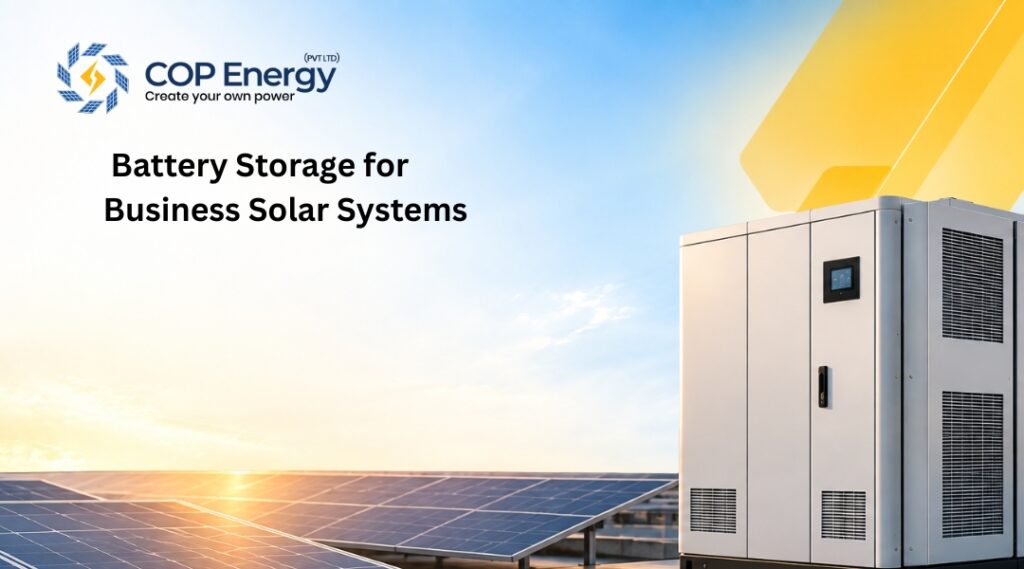
A Battery Energy Storage System (BESS) can complement a commercial solar installation by storing available energy and making it available when required. This creates a more flexible approach to managing electricity consumption.
Why Businesses Need Energy Storage
Commercial facilities often have changing electricity requirements throughout the day. Offices, warehouses, manufacturing units and other businesses may experience different load levels depending on working hours and equipment usage.
Solar generation is also influenced by daylight and weather conditions. Battery storage can help bridge the gap between when energy is generated and when it is needed.
Instead of using solar electricity only at the time it is produced, businesses can consider storing suitable excess energy for later use, depending on their system configuration and operating requirements.
How BESS Works With Solar
A solar-plus-storage system can direct electricity to different uses depending on generation and consumption.
| Energy Stage | Purpose |
|---|---|
| Solar Generation | Solar panels generate electricity during available daylight. |
| Business Consumption | Generated electricity can supply the property’s active electrical loads. |
| Battery Charging | Suitable surplus energy can be stored in the battery. |
| Stored Energy | The battery retains energy for a later requirement. |
| Energy Discharge | Stored electricity can support selected loads when required. |
The exact operating pattern depends on the solar system, battery technology, inverter configuration, load profile and project requirements.
Key Benefits for Businesses
Better Energy Management
Battery storage can give businesses greater control over when stored electricity is used. This can help align available energy with the facility’s changing consumption pattern.
Backup Support
A properly designed BESS can provide backup support to selected electrical loads during a grid interruption. The amount of backup available depends on battery capacity, load requirements and system configuration.
Peak Demand Management
Businesses with changing or higher electricity demand can use battery storage as part of a broader energy-management strategy. Stored energy may be deployed during appropriate periods according to the system’s operating plan.
Improved Solar Utilization
When solar generation exceeds immediate consumption, suitable excess energy can be stored rather than being used only at that moment. This can help businesses make greater use of the energy generated by their solar installation.
Why Battery Sizing Matters
Choosing a BESS should involve more than selecting a battery with a large capacity. The system needs to reflect the actual energy requirements of the business.
Important factors include:
- Daily electricity consumption
- Peak and off-peak load patterns
- Critical equipment and essential loads
- Existing or planned solar capacity
- Required backup duration
- Available installation space
- Future electricity requirements
A detailed assessment can help determine whether battery storage is suitable and what configuration would align with the property’s operating requirements.
Solar + BESS for Energy Management
Solar and battery storage can work together as part of a broader energy strategy. Solar generates electricity when sunlight is available, while the battery can store suitable energy for use at another time.
This makes the energy system less focused on generation alone and more focused on the complete cycle of generation, storage, consumption and monitoring.
Solar generates the energy. Battery storage helps businesses decide when that stored energy can be used.
COP Energy Approach
COP Energy focuses on developing solar and energy solutions around individual project requirements. For a business considering battery storage, understanding electricity consumption and operating patterns is an important part of planning the system.
A project assessment can consider the property’s energy requirements, existing solar setup, critical loads, storage needs and available installation conditions before determining an appropriate solution.
Explore COP Energy to learn more about its solar and energy solutions.
Businesses can also review COP Energy’s contact page to discuss their solar and battery storage requirements.
Conclusion
Battery storage can add another layer of flexibility to a commercial solar system. By storing suitable energy and making it available when required, BESS can support energy management, selected backup requirements, peak-demand strategies and greater utilization of solar generation.
The right solution depends on the business’s electricity consumption, critical loads, solar capacity, operating pattern and required storage capacity. A professional assessment can help determine the appropriate system design.
With its focus on solar and energy solutions, COP Energy can help businesses evaluate their requirements and plan an integrated approach to solar generation and battery storage.
Explore Solar and Battery Storage Solutions
Understand how solar and battery storage can be planned around your business’s energy requirements.
Discuss Your Energy RequirementsFrequently Asked Questions
What is BESS?
BESS stands for Battery Energy Storage System. It stores electrical energy so it can be used when required.
Can BESS work with solar panels?
Yes. BESS can be integrated with solar to store suitable excess energy for later use.
Can BESS provide backup during power cuts?
A suitably configured BESS can support selected loads during grid interruptions. Backup depends on battery capacity, connected loads and system design.
How is battery capacity selected?
Battery capacity depends on electricity consumption, critical loads, solar generation, backup requirements and operating conditions.