EV Charging Station Installation Guide for Homes & Businesses
Learn how to choose, plan and install an EV charging station for residential and commercial applications. Understand charger types, electrical requirements, installation steps, costs, safety standards and smart EV charging solutions.
The rapid growth of electric vehicles is transforming transportation in India. As more individuals, businesses, apartment communities and fleet operators adopt EVs, reliable charging infrastructure is becoming increasingly important.
An EV Charging Station Installation Guide helps property owners understand the equipment, electrical infrastructure, installation process, safety requirements and long-term considerations involved in setting up an EV charger.
Whether you are planning a Home EV Charging Station for your personal vehicle or a Commercial EV Charging Station for employees, customers, tenants or fleets, choosing the correct charging solution is essential for safety, convenience and long-term performance.
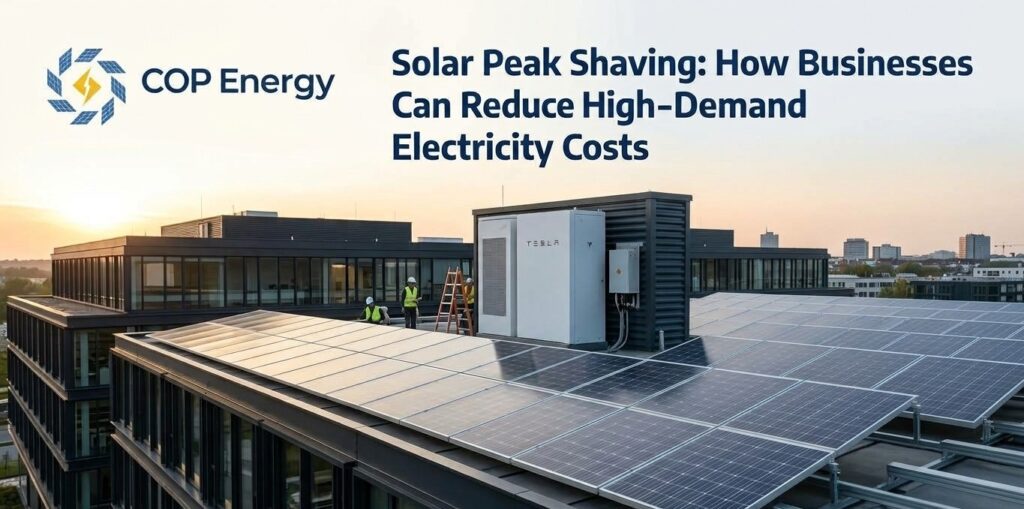
For businesses and homeowners in Hyderabad, a professionally designed EV Charging Station Hyderabad solution can also be integrated with rooftop solar and battery storage to improve energy management.
What Is an EV Charging Station?
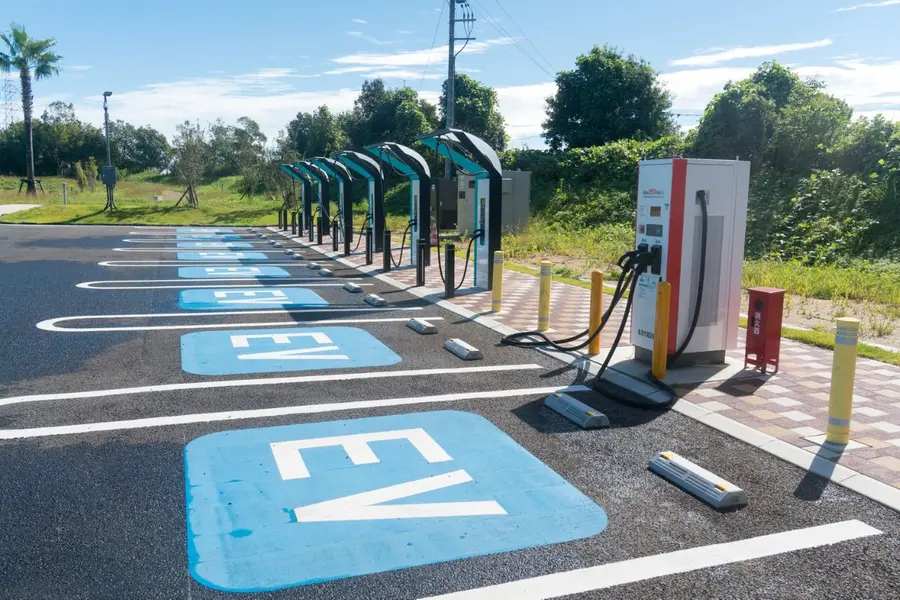
An EV charging station is equipment that safely supplies electrical energy to recharge the battery of an electric vehicle. The charger communicates with the vehicle and controls the delivery of electricity according to the vehicle’s requirements and the charger’s rated capacity.
Modern charging stations can include features such as energy monitoring, user authentication, mobile applications, scheduled charging, remote diagnostics and dynamic load management.
Residential Charging
Designed for homeowners, villas, independent houses and apartment parking spaces.
Commercial Charging
Suitable for offices, hotels, malls, hospitals, restaurants and other commercial properties.
Fleet Charging
Designed for logistics companies, delivery fleets, corporate vehicles and industrial operations.
Types of EV Chargers
Understanding charger types is one of the most important parts of the EV Charger Installation process. The appropriate charger depends on the vehicle, available electrical supply, required charging speed, parking duration and budget.
AC EV Charger
An AC EV Charger supplies alternating current to the vehicle. The vehicle’s onboard charger converts AC electricity into DC electricity for battery charging.
AC chargers are commonly suitable for homes, offices, hotels, apartments and locations where vehicles remain parked for several hours.
DC Fast Charger
A DC Fast Charger supplies DC electricity directly to the vehicle battery, allowing substantially faster charging than typical AC charging.
DC charging is generally more appropriate for highways, commercial charging hubs, fleet depots and locations where vehicles need rapid turnaround.
Smart EV Charger
Smart EV Charging Solutions can provide scheduled charging, mobile monitoring, energy management, user authentication and remote diagnostics.
Smart features become particularly valuable when multiple chargers operate at the same location.
Home EV Charging vs Commercial EV Charging
Home EV Charging Station
A Home EV Charging Station is typically designed around the vehicle owner’s daily driving requirements and available electrical capacity.
- Private parking space
- Single vehicle or limited vehicles
- Overnight charging
- Lower electrical demand than large commercial sites
- Simple user access
- Optional smart charging
Commercial EV Charging Station
A Commercial EV Charging Station may support employees, customers, tenants, visitors, public users or commercial fleets.
- Multiple charging points
- Higher electrical demand
- User authentication
- Energy management
- Billing integration
- Remote monitoring
- Future expansion
Businesses can also combine EV charging with Commercial & Industrial Solar Solutions to increase renewable electricity usage.
Where Can EV Charging Stations Be Installed?
EV charging infrastructure can be installed in a wide range of residential, commercial and public locations.
Homes
Independent houses, villas and residential parking spaces.
Apartment Communities
Shared parking facilities can support multiple EV owners.
Office Buildings
Charging can be offered to employees and company fleets.
Hotels
EV charging can improve guest convenience and property services.
Shopping Malls
Charging can complement customer parking facilities.
Fleet Depots
Suitable for commercial EV fleets and logistics operations.
Benefits of Installing an EV Charging Station
1. Convenience
Charging at home or work reduces dependence on public charging locations and allows vehicles to be charged according to daily schedules.
2. Better Energy Management
Smart charging can help businesses and homeowners manage when and how electricity is consumed.
3. Lower Operating Costs
Charging at your own premises may reduce dependence on public charging infrastructure, especially when paired with solar generation.
4. Property Value
EV-ready properties can become more attractive as EV ownership expands.
5. Sustainability
EV charging integrated with renewable electricity can support lower-carbon transportation.
6. Future-Ready Infrastructure
Installing charging infrastructure today can prepare a property for increasing EV adoption.
Site Assessment Before EV Charger Installation
A professional site survey is one of the most important stages in the EV Charger Installation Process.
Before selecting equipment, an installer should evaluate the site’s electrical infrastructure, parking layout, cable routing and future charging requirements.
Site Assessment Checklist
- Parking location
- Distance from electrical panel
- Existing electrical load
- Available power capacity
- Cable routing
- Mounting surface
- Weather exposure
- Internet connectivity
- Future charger expansion
Why Site Assessment Matters
- Prevents electrical overloading
- Helps select suitable charger capacity
- Determines cable requirements
- Improves installation safety
- Reduces future modification costs
- Supports future EV charging expansion
Electrical Requirements for EV Charger Installation
Electrical Panel Capacity
The electrical panel must have sufficient capacity for the additional EV charging load. If the existing connection cannot support the required charger, an electrical upgrade may be necessary.
Dedicated Circuit
A dedicated circuit is generally required for many higher-powered EV charging installations. This helps reduce the risk of overloading existing circuits.
Proper Earthing
Correct earthing is essential for electrical safety and equipment protection. The installation should follow applicable electrical requirements and manufacturer instructions.
Overcurrent Protection
Suitable circuit protection should be selected based on the charger rating, cable size and electrical design.
Residual Current Protection
Appropriate residual-current protection should be provided according to the charger’s design and applicable standards.
Surge Protection
Surge protection can help protect equipment from voltage disturbances and transient electrical events.
EV Charging Station Safety Requirements
Safety should be a priority during every EV Charger Installation. Chargers are high-power electrical equipment and should be installed by suitably qualified professionals.
Electrical Safety
- Correct cable sizing
- Proper earthing
- Suitable circuit protection
- Residual current protection
- Surge protection where required
- Correct termination
Physical Safety
- Safe parking position
- Protected cable routing
- Adequate clearance
- Weather protection
- Visible emergency controls
- Suitable mounting arrangements
EV Charging Station Installation Process
A professional EV Charger Installation Process generally follows several stages.
Step 1: Site Survey
Inspect the parking area, electrical panel, cable routes and available electrical capacity.
Step 2: Charger Selection
Select AC or DC charging equipment based on vehicle requirements and charging demand.
Step 3: Electrical Design
Determine cable size, protection devices, circuit configuration and connection requirements.
Step 4: Mounting
Install the charger on a suitable wall, pedestal or approved mounting structure.
Step 5: Electrical Connection
Connect the charger through the appropriate protection and distribution equipment.
Step 6: Testing
Test electrical safety, communication, charging operation and protective functions.
Step 7: Commissioning
Configure the charger, smart features, user access and monitoring systems.
Step 8: Handover
Provide operating instructions and explain routine maintenance and safe usage.
Step 9: Ongoing Support
Schedule inspections, firmware updates and preventive maintenance when required.
What Is the Cost of Installing an EV Charging Station?
The EV Charging Station Cost depends on several factors. There is no single installation price that applies to every property.
Equipment Factors
- AC or DC charger
- Charging power
- Number of charging points
- Smart charging features
- Communication capability
- Brand and warranty
Installation Factors
- Cable length
- Electrical panel upgrades
- Protection equipment
- Mounting structure
- Civil work
- Site accessibility
Residential vs Commercial EV Charging Installation Cost
Home EV Charging Installation
Residential installations are generally simpler because they typically involve one vehicle and one charging point.
- One charging point
- Shorter cable runs
- Lower electrical demand
- Simple mounting
- Private user access
Commercial EV Charging Installation
Commercial installations can require significantly more planning because multiple vehicles may charge simultaneously.
- Multiple charging points
- Higher electrical capacity
- Load management
- User authentication
- Billing integration
- Remote monitoring
- Future expansion
Why Professional EV Charger Installation Is Important
An EV charger is a high-power electrical system. Professional installation helps ensure that the equipment, electrical infrastructure and protection systems are correctly designed and installed.
Electrical Safety
Proper connections and protection reduce electrical risks.
Correct Cable Sizing
Correct cable selection helps maintain reliable charger operation.
Proper Earthing
Professional installation ensures suitable grounding arrangements.
Warranty Support
Correct installation can help maintain manufacturer warranty requirements.
Reliable Performance
Proper commissioning helps identify installation problems before regular operation.
Future Expansion
Professional planning can make future charger additions easier.
Explore COP Energy EV Charging Solutions for residential, commercial and industrial charging requirements.
Smart EV Charging Solutions
Smart EV Charging Solutions can provide greater control over charging schedules, energy consumption and multiple charging points.
Scheduled Charging
Set charging schedules according to user requirements or electricity availability.
Energy Monitoring
Monitor electricity consumption and charging activity.
Remote Monitoring
Track charger status through connected software or mobile applications.
User Authentication
Control access to commercial charging infrastructure.
Dynamic Load Balancing
Distribute available electrical capacity between multiple charging points.
Remote Diagnostics
Identify charging errors and operational problems more efficiently.
EV Charging Infrastructure in India
The development of EV Charging Infrastructure India is becoming increasingly important as electric mobility expands across passenger vehicles, two-wheelers, commercial fleets and public transportation.
Property owners planning charging infrastructure should consider current and future vehicle requirements, electrical capacity, site accessibility, safety, charger interoperability and applicable regulations.
For information on India’s electric mobility policies and government initiatives, refer to the official websites of the Ministry of Heavy Industries, Ministry of Power and NITI Aayog.
EV Charging Station Installation in Hyderabad
The demand for EV Charging Station Hyderabad solutions is increasing as residential communities, offices, commercial properties and fleet operators adopt electric vehicles.
Hyderabad properties may need to consider high summer temperatures, outdoor exposure, parking layouts, electrical capacity, cable routing and future expansion when planning charging infrastructure.
Residential Applications
- Independent houses
- Villas
- Apartment communities
- Private parking
- Home EV charging
Commercial Applications
- Corporate offices
- Hotels
- Shopping centres
- Hospitals
- Fleet depots
- Industrial facilities
Combining EV Charging With Solar Energy
One of the most effective ways to improve the sustainability of EV charging is to integrate charging infrastructure with renewable energy.
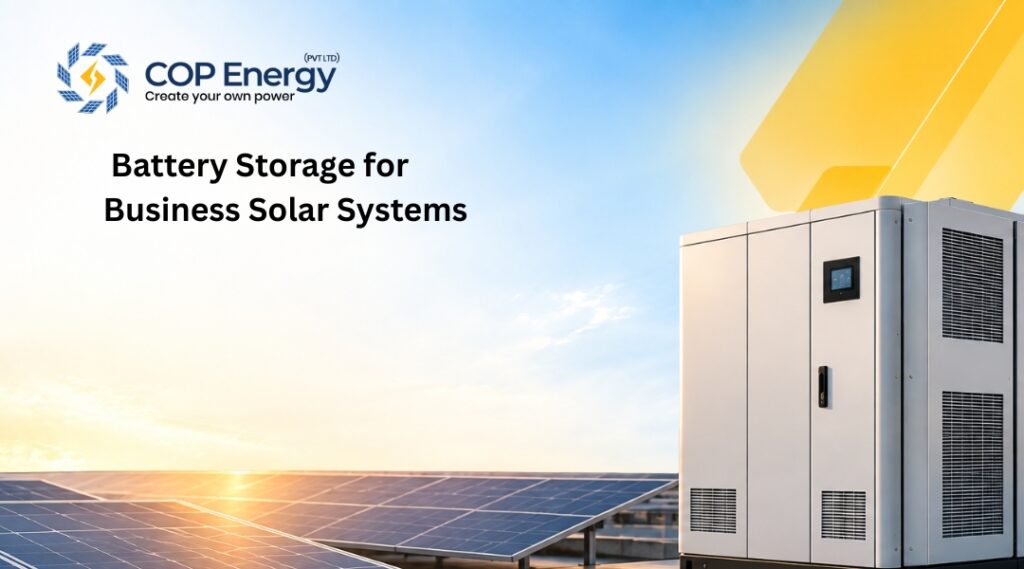
A rooftop solar system can generate electricity during daylight hours, while an EV charger can use that electricity to charge compatible vehicles. Depending on the system design, battery storage can also help shift energy to periods when solar generation is unavailable.
Learn more about Residential Solar Solutions and Battery Energy Storage Systems.
EV Charging Station Maintenance Tips
Inspect Charging Cables
Check cables and connectors for cuts, cracks, exposed conductors, loose connections or excessive wear.
Keep the Charger Clean
Remove dust and dirt using manufacturer-approved cleaning procedures.
Check Error Notifications
Smart chargers can provide alerts that help identify problems early.
Update Firmware
Keep compatible smart charging equipment updated according to manufacturer recommendations.
Inspect Electrical Connections
Periodic professional inspection can identify loose or deteriorated connections.
Preventive Maintenance
Commercial charging stations should have a suitable preventive maintenance schedule.
Common EV Charging Station Installation Mistakes
Choosing an Undersized Charger
Selecting equipment only by purchase price may result in inadequate charging speed.
Ignoring Electrical Capacity
An overloaded electrical system can cause breaker trips and operational problems.
Poor Charger Location
Poor positioning can create cable-routing, accessibility and weather-exposure problems.
Skipping Smart Features
Businesses may miss useful monitoring and load-management capabilities.
Ignoring Future Expansion
A site should be planned for future EV adoption where practical.
Hiring Unqualified Installers
Improper installation can increase electrical and equipment risks.
Government and Industry Resources for EV Charging
Before installing an EV charging station, property owners and businesses should verify the latest applicable policies, standards and technical requirements from authoritative sources.
- Ministry of Heavy Industries (MHI) — Government information related to electric mobility and automotive initiatives.
- Ministry of Power — Electricity-sector policies and government information.
- Bureau of Energy Efficiency (BEE) — Energy efficiency resources and programmes.
- Bureau of Indian Standards (BIS) — Indian standards and conformity-related information.
- NITI Aayog — Policy research and electric mobility initiatives.
- Ministry of Road Transport & Highways (MoRTH) — Road transport and vehicle-related government information.
Frequently Asked Questions About EV Charging Station Installation
1. What is an EV Charging Station?
An EV charging station is equipment that safely supplies electricity to recharge an electric vehicle. Charging speed depends on the charger, vehicle, battery capacity and electrical connection.
2. Which EV Charger Is Best for Home Use?
For many homeowners, an AC EV Charger is a practical choice because vehicles can charge over several hours, particularly overnight. The correct charger should be selected based on vehicle compatibility and available electrical capacity.
3. Can I Install an EV Charging Station at Home?
Yes. A suitable parking space, electrical connection and adequate electrical capacity are required. Professional installation is recommended for safety and reliable performance.
4. How Long Does EV Charging Take?
Charging time depends on battery size, charger power, vehicle charging capability and battery state of charge. AC charging is generally slower than DC fast charging.
5. Is Professional EV Charger Installation Necessary?
Professional installation helps ensure correct electrical connections, earthing, cable sizing, protection equipment, commissioning and compliance with applicable requirements.
6. Can EV Chargers Be Installed Outdoors?
Yes. Many chargers are designed for outdoor applications. The selected equipment should have an appropriate environmental protection rating and be installed according to manufacturer instructions.
7. Can Multiple EV Chargers Be Installed at One Location?
Yes. Commercial properties and apartment communities can install multiple chargers, provided the electrical infrastructure supports the combined load. Smart load management can help optimise available capacity.
8. How Often Does an EV Charger Need Maintenance?
Maintenance requirements depend on the charger and operating environment. Visual inspections, cable checks, cleaning, software updates and periodic professional electrical inspections are recommended.
9. Can I Use Solar Power to Charge My EV?
Yes. Solar energy can be integrated with EV charging to increase renewable electricity usage and potentially reduce dependence on grid electricity. Battery storage can also be added where appropriate.
10. Is EV Charging Safe?
Modern EV charging systems include safety features such as overcurrent protection, residual-current protection, temperature monitoring and fault detection. Safe operation depends on certified equipment and correct installation.
11. What Should I Consider Before Installing an EV Charger?
Consider daily driving requirements, vehicle compatibility, electrical capacity, charger location, charging speed, future EV ownership, budget and smart charging requirements.
12. Can Businesses Earn Revenue From EV Charging Stations?
Depending on the business model and applicable regulations, commercial properties may offer paid charging services. EV charging can also help attract customers, employees and tenants.
Why Choose COP Energy for EV Charging Solutions?
Installing an EV charging station is a long-term infrastructure investment. Choosing an experienced energy solutions provider can help simplify site assessment, charger selection, electrical planning, installation and ongoing support.
COP Energy provides solutions for residential, commercial and industrial energy requirements, including EV charging, solar power and battery energy storage.
EV Charging
Explore EV Charging Solutions.
Solar Energy
Explore Residential Solar Solutions.
Energy Storage
Explore Battery Energy Storage Systems.
Conclusion
As India moves towards wider electric mobility adoption, an EV Charging Station Installation Guide can help homeowners, businesses, apartment communities and fleet operators understand the key requirements before investing in charging infrastructure.
The right charger should be selected according to vehicle compatibility, charging requirements, available electrical capacity, installation location, budget and future expansion plans. A professional EV Charger Installation can improve safety, reliability and long-term performance.
For homes, an AC EV Charger can provide convenient overnight charging, while businesses and fleet operators may benefit from multiple charging points, smart energy management and, where required, DC Fast Charger infrastructure.
Integrating EV charging with rooftop solar and Battery Energy Storage Systems can create a more comprehensive renewable-energy ecosystem and improve energy management.
If you are planning an EV Charging Station Hyderabad project for your home, office, commercial property or fleet, professional site assessment and system design should be completed before installation.
Ready to Install an EV Charging Station?
Get professional guidance for your residential, commercial or industrial EV charging project from site assessment through installation.
Contact COP Energy