How Solar Energy Can Reduce Electricity Costs for Cold Storage and Food Processing Industries
Cold storage facilities and food processing units depend heavily on electricity to maintain product quality and support daily operations. Refrigeration equipment, compressors, ventilation systems and processing machinery can create substantial energy requirements.
With increasing attention on operating costs, businesses are exploring rooftop solar as a practical way to generate electricity on-site and improve energy management.
Solar energy can be considered for warehouses, food processing plants, refrigerated storage facilities and other industrial properties. A properly planned solar installation can help businesses align electricity generation with their operational requirements.
1. Why Cold Storage Facilities Need Better Energy Planning
Cold storage and food processing facilities have specific electricity requirements. Unlike many conventional commercial buildings, these businesses depend on equipment that must operate according to strict production and temperature-control requirements.
Continuous Refrigeration Requirements
Unlike many commercial buildings, cold storage facilities require temperature-controlled environments for extended periods. Refrigeration systems may operate continuously to maintain the required storage conditions.
Compressors, cooling units, evaporators and associated equipment contribute to electricity consumption. Maintaining consistent temperatures is important for protecting stored products and supporting storage operations.
Energy-Intensive Food Processing
Food processing activities such as washing, sorting, packaging, cooling and storage require different types of electrical equipment. Understanding these consumption patterns is essential before selecting a solar system.
The energy demand of a processing facility can vary depending on production schedules, machinery capacity, operating hours and the type of products being handled.
Important consideration: Before planning a solar installation, businesses should understand their actual electricity consumption, refrigeration requirements and daily operational schedules.
2. How Commercial Solar Can Support These Industries
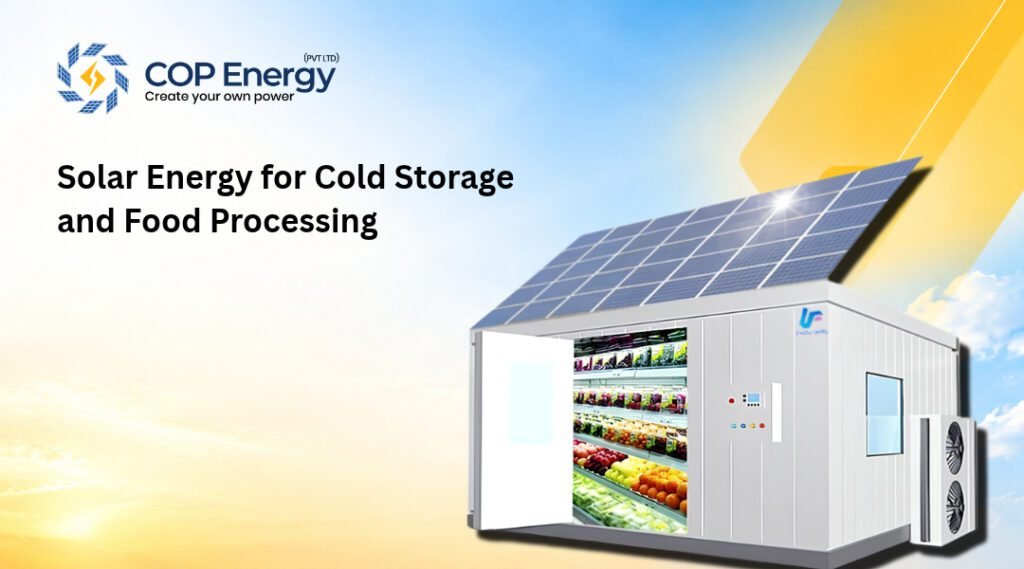
Commercial solar installations can help cold storage and food processing businesses generate electricity on-site. Rooftop solar systems and other suitable solar configurations can be evaluated according to the available space and electricity demand of the facility.
Rooftop Solar Installations
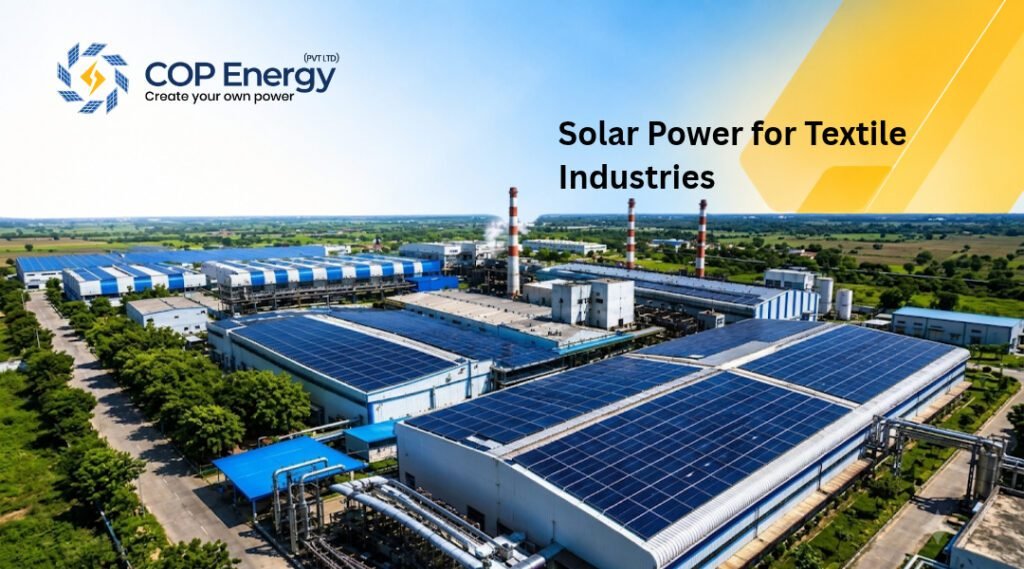
Large warehouses and processing facilities may have suitable rooftop areas for solar panels. The generated electricity can support daytime operations, depending on system capacity and consumption patterns.
Industrial rooftop solar installations can be planned to supply part of the electricity requirement for refrigeration equipment, lighting, ventilation and processing machinery.
The actual contribution of solar generation depends on the installed capacity, available sunlight, system performance, shading and the facility’s electricity consumption.
Solar with Energy Storage
Battery storage can be evaluated for selected loads and operational requirements. It should be designed according to backup needs, refrigeration loads and financial feasibility.
For facilities that require additional power reliability, battery storage may be considered for selected electrical loads. The system design should account for battery capacity, backup duration, equipment compatibility and operating costs.
Planning point: Solar panels and battery storage serve different purposes. Businesses should evaluate their backup requirements and financial feasibility before deciding whether battery storage is necessary.
3. Factors to Consider Before Installing Solar
Installing solar for a cold storage or food processing facility requires more than selecting solar panels. Businesses should evaluate the building, electrical infrastructure and operational requirements before finalising the installation capacity.
Review Electricity Bills
Study recent electricity bills to understand monthly consumption, electricity tariffs, maximum demand and applicable charges. This information helps establish the facility’s energy requirements and supports solar system planning.
Assess Roof Strength and Available Space
Industrial rooftops should be evaluated for structural strength, usable installation area, shading and roof condition. The mounting structure and panel arrangement should be suitable for the building.
Understand Refrigeration Load Patterns
Refrigeration systems may operate continuously or according to specific temperature and operational requirements. Businesses should review their load patterns to understand how daytime solar generation can support existing electricity consumption.
Check Electrical Infrastructure
Review existing electrical panels, transformers, cabling, protection systems and grid connections. A professional assessment can identify whether upgrades are necessary before connecting the solar installation.
Consider System Capacity
The solar system capacity should be selected based on actual electricity consumption, usable roof space, daytime energy requirements and applicable grid regulations.
Professional assessment: A detailed site assessment can help determine suitable system capacity and identify whether additional electrical upgrades are necessary.
4. Benefits of Solar Energy for Cold Storage and Food Processing
Commercial solar energy solutions can provide several operational and environmental advantages for industrial facilities when designed according to their electricity requirements.
Better Electricity Cost Management
Generating electricity on-site can help businesses offset a portion of their grid electricity consumption. The financial benefit depends on solar generation, self-consumption, electricity tariffs and installation costs.
Support for Daytime Industrial Operations
Facilities that operate during daylight hours may be able to use solar-generated electricity directly for selected refrigeration, processing and other operational loads.
Improved Energy Planning
Monitoring solar generation alongside electricity consumption can help businesses understand their energy usage and identify opportunities for better energy management.
Support Sustainability Goals
Solar power is a renewable energy source that can help industrial facilities reduce their dependence on conventional grid electricity. It can also support broader environmental and sustainability initiatives.
5. Planning a Commercial Solar Installation
A successful industrial solar project begins with understanding the facility’s requirements. Businesses should work with experienced solar professionals to evaluate the installation and select an appropriate system configuration.
1. Analyse Energy Consumption
Review electricity bills, connected loads, peak demand and daily operating schedules. Identify the major energy-consuming equipment and understand when electricity is used.
2. Conduct a Site Assessment
Evaluate roof strength, usable space, shading, orientation and electrical infrastructure. This helps determine the practical installation options available at the facility.
3. Select Suitable Solar Equipment
Choose solar panels, inverters, mounting structures and protection equipment based on the project’s technical requirements, performance expectations and site conditions.
4. Evaluate Battery Storage Requirements
If backup power is required, evaluate whether a battery storage system is suitable for the selected loads and required backup duration. Consider the additional installation and maintenance costs.
5. Review Installation and Maintenance
Plan the installation, electrical integration, monitoring and ongoing maintenance. Ensure the project follows applicable safety standards, electrical requirements and relevant approvals.
- Review historical electricity consumption.
- Assess available rooftop installation space.
- Understand refrigeration and processing load patterns.
- Check electrical infrastructure and grid connection.
- Evaluate suitable solar system capacity.
- Consider battery storage where required.
- Review installation costs and expected energy savings.
- Plan monitoring and regular maintenance.
Conclusion: Make Energy Planning More Efficient with Solar
Solar energy offers cold storage and food processing businesses an opportunity to improve electricity planning and support sustainability goals. These facilities have specific energy requirements because of continuous refrigeration, processing machinery and other operational equipment.
Selecting the right installation capacity requires understanding actual energy consumption rather than simply maximising the number of panels. Roof conditions, electricity bills, daytime consumption, refrigeration load patterns and electrical infrastructure should all be considered before installation.
A professional site assessment can help businesses identify suitable commercial solar energy solutions and plan an installation that matches their operational needs.
Looking for industrial solar solutions? Visit COP Energy to explore commercial solar possibilities for your facility.
For additional industry and energy-related information, visit the Ministry of Food Processing Industries and the Bureau of Energy Efficiency.
Explore Commercial Solar Solutions with COP Energy
Looking to improve energy management at your cold storage warehouse or food processing facility? Explore commercial and industrial solar possibilities with COP Energy.
Explore COP Energy