Solar Maintenance Checklist for Maximum Efficiency: A Complete Guide to Keeping Your Solar Panels Performing at Their Best
Installing a solar power system is one of the smartest investments for homeowners and businesses. However, simply installing solar panels isn’t enough. To ensure they continue producing maximum energy year after year, regular Solar Panel Maintenance is essential.
Dust, dirt, bird droppings, leaves, pollution, and changing weather conditions can gradually reduce the performance of your solar system. Following a proper Solar Maintenance Checklist helps maintain peak efficiency, extends equipment lifespan, minimizes unexpected repairs, and maximizes your return on investment.
This complete guide explains why solar maintenance matters and provides a practical checklist to help keep your solar power system operating at its highest performance.
Why Solar Panel Maintenance Is Important
Solar panels are designed to operate efficiently for 25 years or more, but their long-term performance depends on regular maintenance and timely inspections.
Increase Efficiency
Clean and well-maintained panels absorb more sunlight and generate higher electricity output.
Maximize Energy Generation
Regular maintenance ensures your system consistently delivers optimal performance throughout the year.
Longer Equipment Life
Routine inspections help extend the lifespan of solar panels, inverters, and electrical components.
Lower Maintenance Costs
Early detection of minor issues prevents expensive repairs and unexpected system failures.
Better ROI
Maintaining peak efficiency improves electricity savings and increases your return on investment.
Prevent System Failures
Regular inspections help identify potential problems before they affect system performance.
Complete Solar Maintenance Checklist
1. Clean Solar Panels Regularly
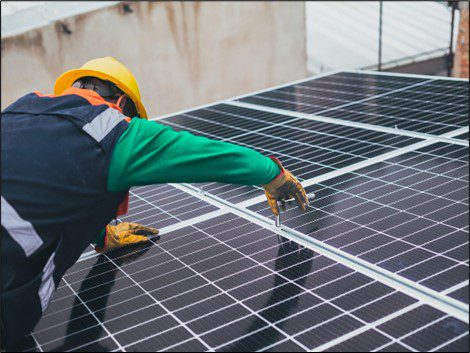
Dust, pollen, leaves, bird droppings, and pollution can block sunlight from reaching solar cells, reducing electricity production. Regular cleaning helps maintain maximum efficiency.
Use Clean Water
Whenever possible, use clean water to remove accumulated dirt without leaving residue.
Soft Cleaning Materials
Use a microfiber cloth or soft sponge to avoid scratching the panel surface.
Clean During Cool Hours
Perform cleaning early in the morning or late in the evening when panels are cool.
Avoid Harsh Chemicals
Never use abrasive cleaners, detergents, or strong chemicals that could damage the panels.
Don’t Walk on Panels
Standing directly on solar panels may cause cracks or permanent structural damage.
Adjust Cleaning Frequency
Areas with heavy dust, pollution, or bird activity may require more frequent cleaning.
2. Inspect for Physical Damage
Regular visual inspections help identify physical damage before it affects energy production or safety.
Cracked Glass
Inspect panels for cracks or chips that could reduce efficiency.
Broken Frames
Check aluminum frames for signs of bending, corrosion, or structural damage.
Loose Mounting
Ensure all mounting hardware remains secure and stable.
Corrosion
Look for rust or corrosion on metal components and electrical parts.
Water Ingress
Inspect for moisture around connectors, junction boxes, and electrical equipment.
Bird & Animal Damage
Check for nests, chewing damage, or debris beneath the solar panels.
3. Monitor Energy Production
Most modern solar systems include monitoring software or mobile applications that help track system performance.
Daily Generation
Verify daily electricity production matches expected values.
Monthly Trends
Review monthly performance reports to identify gradual efficiency losses.
Unexpected Output Drops
Sudden reductions in energy production may indicate maintenance is required.
Error Notifications
Regularly review alerts provided by the monitoring system.
Inverter Warnings
Respond quickly to warning messages to prevent prolonged downtime.
Performance Reports
Analyze production history to ensure long-term efficiency.
4. Inspect the Solar Inverter
The inverter is one of the most important components of a solar power system because it converts DC electricity into usable AC power.
Status Indicators
Ensure all indicator lights show normal operation.
Warning Messages
Immediately investigate any error codes or fault notifications.
Cooling Vents
Keep ventilation openings clean and free from dust or obstructions.
Dry Installation Area
Protect the inverter from excess moisture and water exposure.
Noise Check
Listen for unusual operating sounds that may indicate a fault.
Professional Service
Contact a qualified solar technician if warning indicators remain active.
5. Check Electrical Connections
Loose, damaged, or corroded electrical connections can reduce your solar system’s efficiency and create potential safety hazards. Routine inspections help ensure reliable performance and minimize unexpected failures.
Inspect Wiring
Check visible wiring for signs of wear, cracks, loose insulation, or physical damage.
Examine Junction Boxes
Ensure junction boxes remain properly sealed and protected from moisture and dust.
Verify Connectors
Inspect cable connectors for secure fitting and signs of overheating or corrosion.
Check Earthing System
Confirm that the grounding system remains intact to ensure electrical safety.
Inspect Circuit Breakers
Verify that breakers are functioning correctly without visible damage or overheating.
Professional Inspection
Electrical inspections involving live components should always be carried out by qualified solar technicians.
6. Examine the Mounting Structure
The mounting structure supports your solar panels for decades. Regular inspection helps ensure structural stability and protects the system from extreme weather conditions.
Loose Bolts
Inspect all mounting bolts and fasteners to ensure they remain securely tightened.
Rust & Corrosion
Check metal supports for corrosion and apply protective treatment when necessary.
Structural Movement
Inspect for shifting, vibration, or movement that could affect panel alignment.
Damaged Supports
Replace bent or weakened mounting components immediately to maintain system safety.
Weather Inspection
Inspect the mounting system after heavy rain, storms, or strong winds.
Long-Term Stability
A strong mounting structure protects solar panels throughout their 25+ year lifespan.
7. Remove Nearby Shade
Solar panels produce maximum electricity when exposed to direct sunlight. Even partial shading can significantly reduce energy generation.
Trim Tree Branches
Regularly trim nearby trees to prevent shadows from falling on solar panels.
Control Vegetation
Remove overgrown plants that may interfere with sunlight or maintenance access.
Avoid New Obstructions
Do not construct new structures that may cast shadows on the solar array.
8. Keep Drainage Areas Clear
Proper roof drainage prevents water accumulation around your solar installation and reduces the risk of moisture-related damage.
Clear Roof Drains
Remove leaves, dirt, and debris blocking roof drainage channels.
Inspect Water Flow
Ensure rainwater flows freely away from the solar installation.
Prevent Moisture Damage
Good drainage helps protect electrical components and mounting structures.
9. Schedule Professional Maintenance
Annual inspections by experienced solar technicians help identify issues that may not be visible during routine maintenance.
Electrical Testing
Inspect electrical components and verify system safety.
Thermal Inspection
Identify hotspots and hidden faults using thermal imaging technology.
Inverter Diagnostics
Verify inverter efficiency and operating performance.
Performance Analysis
Compare current energy production with expected system output.
Safety Verification
Ensure the complete solar installation complies with safety standards.
Structural Inspection
Examine mounting structures, fasteners, and panel alignment.
10. Review Battery Performance (For BESS Users)
If your solar installation includes a Battery Energy Storage System (BESS), regular battery maintenance is essential for reliable backup power and long-term performance.
Monitor Charge Levels
Review battery charging and discharging patterns regularly.
Battery Health Reports
Use monitoring software to track battery condition and performance.
Proper Ventilation
Maintain adequate airflow around the battery storage area.
Manufacturer Guidelines
Follow recommended maintenance schedules provided by the battery manufacturer.
Monitor Alerts
Respond promptly to battery warning notifications or fault messages.
Improve Backup Reliability
Well-maintained batteries provide dependable backup power and better energy efficiency.
Common Solar Maintenance Mistakes to Avoid
Cleaning During Peak Heat
Avoid cleaning hot solar panels during the middle of the day to prevent thermal stress.
Using Pressure Washers
High-pressure water can damage seals, wiring, and panel surfaces.
Ignoring Inverter Warnings
Always investigate warning indicators immediately to prevent system downtime.
Delaying Repairs
Small issues should be addressed quickly before they become expensive repairs.
Walking on Solar Panels
Never stand directly on solar panels, as this may cause permanent damage.
Skipping Annual Inspections
Professional inspections improve safety, efficiency, and long-term reliability.
Seasonal Solar Maintenance Tips
Summer
- Clean accumulated dust.
- Monitor inverter temperature.
- Ensure proper ventilation.
Monsoon
- Inspect waterproofing.
- Clear drainage channels.
- Check electrical components for moisture.
Winter
- Remove leaves and debris.
- Monitor seasonal performance.
- Inspect mounting structures after storms.
Benefits of Regular Solar Maintenance
Following a regular solar maintenance schedule helps your system perform efficiently throughout its lifespan while reducing operating costs and preventing unexpected failures. Proper maintenance ensures maximum energy production and protects your long-term investment.
Higher Electricity Generation
Clean and properly maintained solar panels absorb more sunlight, resulting in improved energy production.
Lower Electricity Bills
Better system efficiency helps reduce dependence on grid electricity and lowers monthly utility costs.
Improved Return on Investment
Maintaining optimal performance allows your solar system to generate greater long-term financial savings.
Longer Equipment Lifespan
Routine inspections help extend the service life of solar panels, inverters, mounting structures, and electrical components.
Reduced Repair Costs
Identifying and fixing small issues early helps prevent expensive repairs and unexpected system downtime.
Enhanced Safety
Regular inspections ensure electrical components remain safe, secure, and compliant with industry standards.
Why Choose COP Energy for Solar Maintenance?
At COP Energy, we provide comprehensive solar maintenance services designed to maximize system performance, improve energy efficiency, and extend the lifespan of your solar investment. Our experienced technicians ensure your system continues delivering reliable clean energy year after year.
Solar Panel Cleaning
Professional cleaning services remove dust, dirt, bird droppings, and debris to improve energy production.
Complete System Inspection
Comprehensive inspections identify potential issues before they become major problems.
Inverter Health Check
We inspect inverter performance, diagnostics, and warning indicators to ensure reliable operation.
Electrical Safety Testing
Our technicians inspect wiring, earthing, connectors, and electrical protection systems for maximum safety.
Performance Monitoring
Track energy generation, system efficiency, and overall performance through advanced monitoring solutions.
Annual Maintenance Contracts (AMC)
Flexible maintenance plans provide scheduled servicing, preventive inspections, and long-term technical support.
Explore More Solar Solutions
Our Services
More Resources
Useful Resources
Government Resources
Industry Resources
Frequently Asked Questions
1. How often should solar panels be cleaned?
Cleaning frequency depends on environmental conditions. Areas with higher dust, pollution, or bird activity generally require more frequent cleaning than regions with regular rainfall.
2. Can dirty solar panels reduce efficiency?
Yes. Dust, dirt, leaves, and bird droppings can block sunlight, reducing the amount of electricity generated by your solar panels.
3. How long do solar panels last?
Most high-quality solar panels are designed to operate efficiently for 25 years or more when properly maintained.
4. Is professional solar maintenance necessary?
Routine visual inspections can be performed by owners, but professional maintenance helps detect electrical, structural, and performance issues that require specialized equipment.
5. Does maintenance improve return on investment?
Yes. Regular maintenance maximizes energy production, reduces repair costs, extends equipment lifespan, and improves long-term financial returns.
Conclusion
Regular Solar Panel Maintenance is essential for maximizing energy production, reducing long-term operating costs, and extending the life of your solar investment. A proactive maintenance routine helps your system perform efficiently while minimizing unexpected downtime and costly repairs.
By following this Solar Maintenance Checklist for Maximum Efficiency, homeowners, businesses, and industries can keep their solar power systems operating safely and reliably for many years.
Whether you own a residential rooftop installation or a large commercial solar project, partnering with COP Energy ensures your system receives expert care through professional inspections, preventive maintenance, performance monitoring, and ongoing technical support—helping you get the maximum value from your renewable energy investment.