Solar Maintenance Checklist: Complete Guide to Maximise Solar Panel Performance (2026)
Solar energy systems are built to provide reliable, clean, and cost-effective electricity for 25 years or more. However, like any long-term investment, solar panels require regular maintenance to ensure they continue operating at peak efficiency.
A well-maintained solar system not only generates more electricity but also extends the lifespan of your equipment, reduces repair costs, and maximises your return on investment.
Whether you own a residential rooftop solar system or a large commercial installation, following a structured solar maintenance checklist is essential for keeping your system in excellent condition throughout the year.
At COP Energy, we provide end-to-end solar solutions, including professional installation, preventive maintenance, system monitoring, and performance optimisation to help customers get the most from their solar investment.
Table of Contents
- What Is Solar Maintenance?
- Why Is Solar Panel Maintenance Important?
- Complete Solar Maintenance Checklist
- Solar Panel Cleaning Guide
- Solar Panel Inspection
- Inverter Maintenance
- Electrical System Inspection
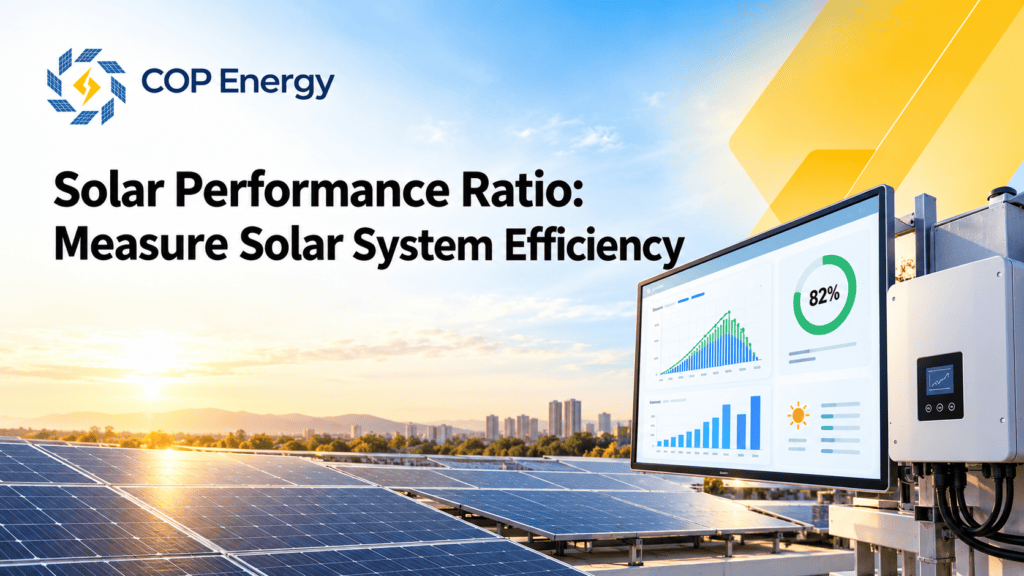
- Solar System Performance Monitoring
- Solar Maintenance Schedule
- Residential Solar Maintenance
- Commercial Solar Maintenance
- Common Solar Maintenance Mistakes
- Frequently Asked Questions
- Conclusion
What Is Solar Maintenance?
Solar maintenance refers to the routine inspection, cleaning, testing, and servicing of solar panels, inverters, electrical connections, mounting structures, and other system components.
The goal of solar system maintenance is to ensure that the system operates safely, efficiently, and reliably over its entire lifespan.
Unlike many electrical systems, solar panels have no moving parts, making them relatively low maintenance. However, environmental factors such as dust, pollution, bird droppings, leaves, heavy rain, and high temperatures can reduce performance if left unaddressed.
Regular maintenance helps identify small issues before they become expensive repairs and ensures your system continues producing maximum energy.
Why Is Solar Panel Maintenance Important?
Regular solar panel maintenance plays an important role in protecting your investment. Dust, dirt, shading, damaged cables, loose connections, inverter faults, and other issues can gradually reduce system performance.
1. Maintain Energy Production
Clean and properly maintained solar panels can receive sunlight more effectively, helping maintain consistent electricity generation.
2. Improve System Efficiency
Routine inspections help identify problems that could affect solar system efficiency and overall energy output.
3. Extend Equipment Lifespan
Preventive maintenance can help identify component issues early and contribute to the long-term reliability of the solar system.
4. Reduce Repair Costs
Small problems are usually easier and less expensive to address than major equipment failures.
5. Improve Safety
Professional inspections can identify damaged cables, loose electrical connections, mounting problems, and other potential safety concerns.
6. Protect Your Investment
Regular servicing helps keep your solar installation operating properly throughout its expected service life.
Complete Solar Maintenance Checklist
A structured maintenance routine makes it easier to monitor your solar installation and identify potential problems early.
- Inspect solar panels for dust, dirt, bird droppings, leaves, and physical damage.
- Clean solar panels when required based on local environmental conditions.
- Check for cracks, chips, discolouration, or visible damage.
- Inspect mounting structures and brackets.
- Check cables and electrical connections for visible damage.
- Inspect the inverter for warning messages or fault indicators.
- Check system monitoring data and electricity generation.
- Look for unusual drops in solar energy production.
- Inspect nearby trees and structures for new shading.
- Check drainage around rooftop equipment.
- Inspect batteries if the system includes energy storage.
- Review system performance with previous months.
- Schedule professional servicing when required.
Solar Panel Cleaning: Complete Cleaning Guide
Solar panel cleaning is one of the simplest maintenance activities and can be particularly important in areas exposed to dust, pollution, pollen, bird droppings, or construction activity.
Dirt and other deposits can partially block sunlight from reaching the photovoltaic cells. Regular cleaning can therefore help maintain consistent solar panel performance.
How Often Should Solar Panels Be Cleaned?
Cleaning frequency depends on the local environment. In dusty or polluted areas, cleaning every 1–3 months may be appropriate. Areas with frequent rainfall may require less frequent cleaning.
Dusty Areas
More frequent cleaning may be required where dust and dry weather are common.
Urban Areas
Pollution, dust, and bird activity can increase the need for periodic cleaning.
Rainy Areas
Rain can remove loose dust, but stubborn dirt and bird droppings may remain.
Solar Panel Cleaning Best Practices
- Use clean water wherever possible.
- Use a soft cloth or suitable soft cleaning equipment.
- Avoid abrasive materials that may damage the panel surface.
- Do not use harsh chemicals unless specifically recommended by the manufacturer.
- Avoid walking or standing on solar panels.
- Follow appropriate electrical and rooftop safety procedures.
- Use professional cleaning services for difficult-to-access rooftops.
Solar Panel Inspection
Regular solar panel inspection helps identify physical and environmental issues that could affect energy production.
What Should You Inspect?
Panel Surface
- Cracks
- Chips
- Discolouration
- Heavy dirt accumulation
- Bird droppings
Mounting Structure
- Loose brackets
- Corrosion
- Structural movement
- Damaged fasteners
Surrounding Area
- New shading
- Growing trees
- Leaves
- Construction debris
Solar Inverter Maintenance
The inverter is a critical part of a solar power system because it converts the electricity generated by solar panels into usable electricity for your home or business.
Regularly checking the inverter can help identify warning messages, fault codes, unusual noises, overheating, or unexpected changes in system output.
- Check inverter display or monitoring application.
- Look for warning or fault messages.
- Ensure the inverter area has adequate ventilation.
- Keep dust and debris away from ventilation openings.
- Check for unusual sounds or overheating.
- Review inverter performance periodically.
- Contact a qualified technician when faults appear.
Electrical System Inspection
A complete solar system maintenance routine should also include inspection of electrical components, cables, connectors, isolators, and protective equipment.
Cables
Check for visible damage, deterioration, loose routing, or exposure to environmental conditions.
Connections
Electrical connections should be inspected by qualified professionals where required.
Protection Devices
Protective devices and isolation equipment should be inspected as part of professional servicing.
Earthing
Proper grounding and electrical safety should be verified during professional inspections.
Solar System Performance Monitoring
Cleaning and physical inspections are only part of a complete solar maintenance guide. Monitoring energy production is equally important.
A sudden or unexplained drop in electricity generation may indicate a problem with the panels, inverter, electrical system, shading, or another component.
| Monitoring Area | What to Check | Why It Matters |
|---|---|---|
| Daily Generation | Compare current output with normal production | Helps identify unusual changes |
| Monthly Production | Compare with previous months | Identifies long-term performance trends |
| Inverter Status | Check warnings and fault messages | Helps detect equipment problems |
| Electricity Consumption | Review energy usage and solar contribution | Helps evaluate system performance |
| Shading | Check for new trees or structures | Prevents avoidable energy losses |
Recommended Solar Maintenance Schedule
Creating a maintenance schedule makes it easier to keep your solar system in good working condition.
Monthly Checks
- Review energy generation.
- Check monitoring application.
- Look for inverter alerts.
- Observe visible dirt or debris.
Every 3 Months
- Clean panels when necessary.
- Inspect visible panel condition.
- Check for new shading.
- Review performance trends.
Annual Maintenance
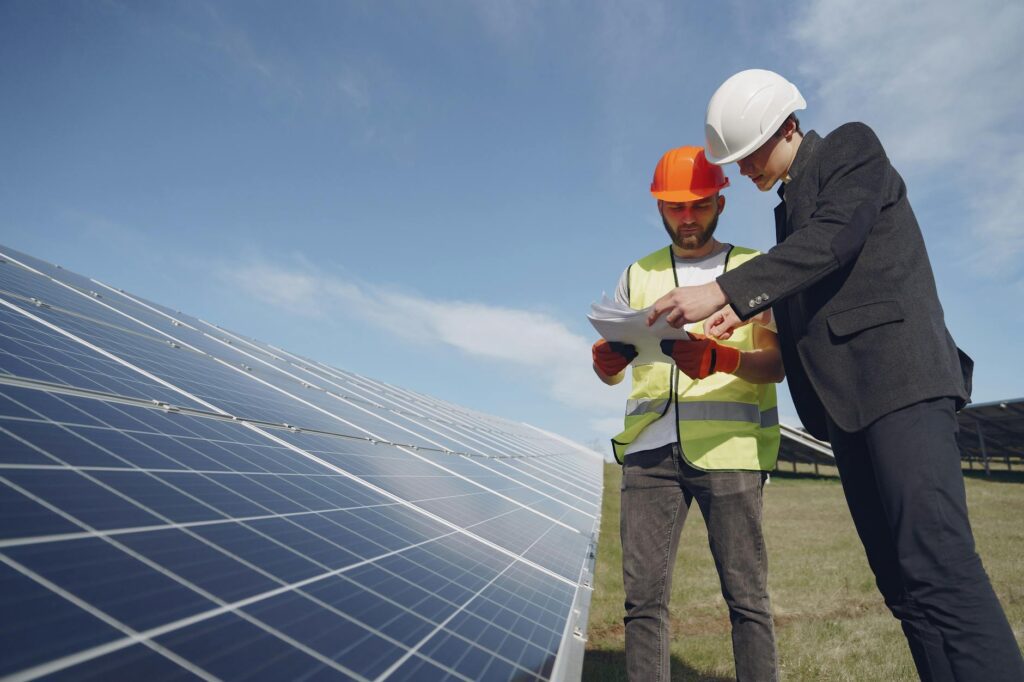
- Professional system inspection.
- Electrical safety checks.
- Mounting structure inspection.
- Inverter performance review.
- Overall system servicing.
Residential Solar Maintenance
Residential rooftop solar systems are generally low maintenance, but homeowners should still follow a basic maintenance routine.
- Monitor monthly electricity generation.
- Clean panels according to local conditions.
- Check for visible dirt and bird droppings.
- Monitor inverter alerts.
- Check for new shading from trees.
- Schedule professional annual inspections.
- Maintain records of system performance.
If you are considering a new rooftop solar system, explore COP Energy’s Residential Solar Solutions for professionally designed solar solutions.
Commercial Solar Maintenance
Commercial solar installations are typically larger and may contain hundreds or thousands of panels. Because of their scale, systematic commercial solar maintenance and monitoring become even more important.
Preventive Maintenance
Scheduled inspections help identify potential problems before they affect large portions of the installation.
Performance Monitoring
Commercial systems should be monitored regularly to identify unusual changes in energy production.
Professional Cleaning
Large rooftop and ground-mounted systems may require specialised cleaning equipment and trained personnel.
Electrical Inspection
Professional electrical inspections can help maintain system safety and reliability.
Businesses planning to install or expand their solar capacity can explore COP Energy’s Commercial & Industrial Solar Solutions.
Solar Battery Maintenance
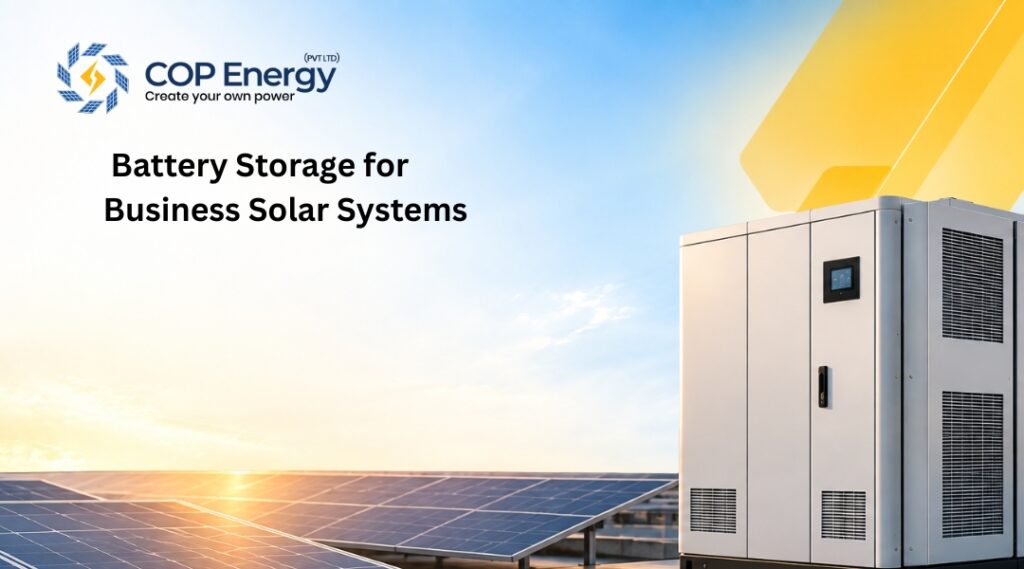
If your solar installation includes energy storage, the battery system should also be included in your overall maintenance plan.
Battery systems require appropriate monitoring, environmental conditions, safety checks, and professional servicing according to the manufacturer’s requirements.
- Monitor battery state of charge.
- Check system alerts.
- Maintain suitable operating conditions.
- Inspect visible cables and connections professionally.
- Review battery performance.
- Follow manufacturer maintenance recommendations.
Learn more about energy storage through COP Energy’s Battery Energy Storage System solutions.
Does Rain Clean Solar Panels Completely?
Rain can wash away loose dust from solar panels, but it does not necessarily remove stubborn dirt, bird droppings, pollution deposits, or other contaminants.
For this reason, rain should not be considered a complete replacement for periodic solar panel cleaning.
Common Solar Maintenance Mistakes to Avoid
Ignoring Performance Drops
Unexpected reductions in energy generation should be investigated rather than ignored.
Cleaning Without Safety Precautions
Rooftop work can involve significant safety risks. Professional cleaning is recommended when access is difficult.
Using Abrasive Materials
Improper cleaning materials can damage the surface of solar panels.
Ignoring Inverter Alerts
Warning messages and fault codes should be reviewed promptly.
Skipping Professional Inspections
Visual cleaning alone cannot replace professional electrical and system inspections.
Not Tracking Energy Production
Without performance monitoring, gradual reductions in system output may go unnoticed.
Is an Annual Maintenance Contract (AMC) Worth It?
An Annual Maintenance Contract (AMC) can be valuable for homeowners and businesses that want scheduled inspections, preventive maintenance, performance monitoring, and professional support.
A well-managed maintenance program can help identify potential issues early, reduce unexpected repair requirements, and support consistent solar system performance.
How Maintenance Can Support Solar Panel Lifespan
High-quality solar panels are designed for long-term operation and commonly have expected service lives of 25–30 years or more. Proper maintenance can help protect the system from avoidable issues and support reliable performance over time.
Regular Cleaning
Helps prevent heavy accumulation of dirt and other deposits.
Routine Inspection
Helps identify visible damage and potential issues early.
Performance Monitoring
Helps detect unusual changes in energy production.
Professional Servicing
Supports safe and reliable operation of electrical and system components.
Frequently Asked Questions (FAQs)
How often should solar panels be cleaned?
Cleaning frequency depends on your location and environmental conditions. In dusty or polluted areas, cleaning every 1–3 months may be appropriate. Areas with frequent rainfall may require less frequent cleaning.
Do solar panels require regular maintenance?
Yes. Although solar panels are low-maintenance, regular inspections, cleaning, and performance monitoring help maximise energy generation and support long-term system reliability.
Can I clean solar panels myself?
If the panels are safely accessible, you can perform light cleaning using clean water and a soft cloth. For rooftop systems or large installations, professional cleaning is recommended to ensure safety and avoid accidental damage.
How do I know if my solar panels are underperforming?
Signs include lower-than-usual electricity generation, inverter warning messages, or unexpected increases in electricity bills. Monitoring applications and regular inspections can help identify issues early.
How long do solar panels last?
Most high-quality solar panels have an expected lifespan of 25–30 years or more, with performance warranties designed to cover energy output over time.
Is an Annual Maintenance Contract (AMC) worth it?
Yes. An AMC provides scheduled inspections, preventive maintenance, and expert support, helping maintain efficiency, reduce unexpected repair costs, and protect your solar investment.
Does rain clean solar panels completely?
Rain can wash away loose dust, but it does not remove stubborn dirt, bird droppings, or pollution completely. Periodic manual or professional cleaning may still be necessary.
Can dirty solar panels reduce electricity generation?
Yes. Dirt, dust, leaves, and bird droppings can block sunlight and reduce the amount of electricity produced. Regular cleaning helps maintain consistent solar panel performance.
Explore COP Energy Solar Solutions
Residential Solar
Explore solar solutions designed for homes and residential properties.
Commercial & Industrial Solar
Discover solar solutions designed for businesses, industries, and large energy users.
Battery Energy Storage
Learn about energy storage solutions for improved energy management and backup.
EV Charging Solutions
Explore EV charging solutions for residential and commercial applications.
Trusted Solar Energy Resources
For additional information about renewable energy, energy efficiency, and solar technologies, explore these trusted resources:
- Ministry of New and Renewable Energy (MNRE)
- National Institute of Solar Energy (NISE)
- Bureau of Energy Efficiency (BEE)
- International Energy Agency (IEA)
Need Professional Solar Panel Maintenance?
Keep your solar system operating efficiently with professional inspection, maintenance, monitoring, and servicing support from COP Energy.
Whether you have a residential rooftop system, commercial installation, or energy storage solution, professional maintenance can help protect your investment and support reliable long-term performance.
Residential Solar
Get professional support for rooftop solar systems and residential energy solutions.
Commercial Solar
Get maintenance and solar solutions for commercial and industrial applications.
Contact COP Energy
Ready to improve the performance and reliability of your solar system?
Conclusion
A well-planned solar maintenance checklist is essential for ensuring your solar power system delivers maximum performance, safety, and long-term value.
While solar panels require far less maintenance than many traditional energy systems, regular inspections, cleaning, and professional servicing play a crucial role in maintaining efficiency and preventing avoidable issues.
By following a structured solar maintenance schedule, you can improve energy production, extend the lifespan of your equipment, reduce repair costs, and maximise your return on investment.
Whether you operate a residential rooftop solar system or a large commercial installation, proactive solar system maintenance is an important part of responsible solar ownership.
With proper maintenance, performance monitoring, and professional support when required, your solar investment can continue delivering clean and reliable electricity for many years.
Maximise Your Solar System Performance with COP Energy
From solar installation and maintenance to energy storage and EV charging, COP Energy provides comprehensive clean energy solutions for homes and businesses.