Solar Panels for Home in India: Complete Guide to Cost, Installation & Government Subsidies (2026)
Electricity costs in India have steadily increased over the past decade, placing additional financial pressure on homeowners. At the same time, power interruptions, rising energy demand, and growing environmental awareness have encouraged families to explore cleaner and more sustainable alternatives.
Among all renewable energy solutions available today, rooftop solar panels have emerged as one of the most practical and cost-effective investments for homeowners. A residential solar system not only reduces electricity bills but also provides long-term financial savings, energy independence, and a positive environmental impact.
With government incentives, improving solar technology, and increasing electricity tariffs, 2026 is an ideal time to invest in a home solar system.
This guide explains everything homeowners need to know before installing solar panels, including costs, system types, installation, subsidies, maintenance, and expected returns.
Why More Indian Homeowners Are Choosing Solar Energy
Residential solar adoption is growing rapidly across India due to increasing electricity prices, better technology, and strong government support for renewable energy.
- Rising electricity tariffs
- Improved solar panel efficiency
- Government subsidy programs
- Increasing environmental awareness
- Better financing options
- Growing demand for energy independence
Modern solar systems are more reliable, durable, and affordable than ever before, making them a practical investment for households of all sizes.
How Does a Residential Solar System Work?
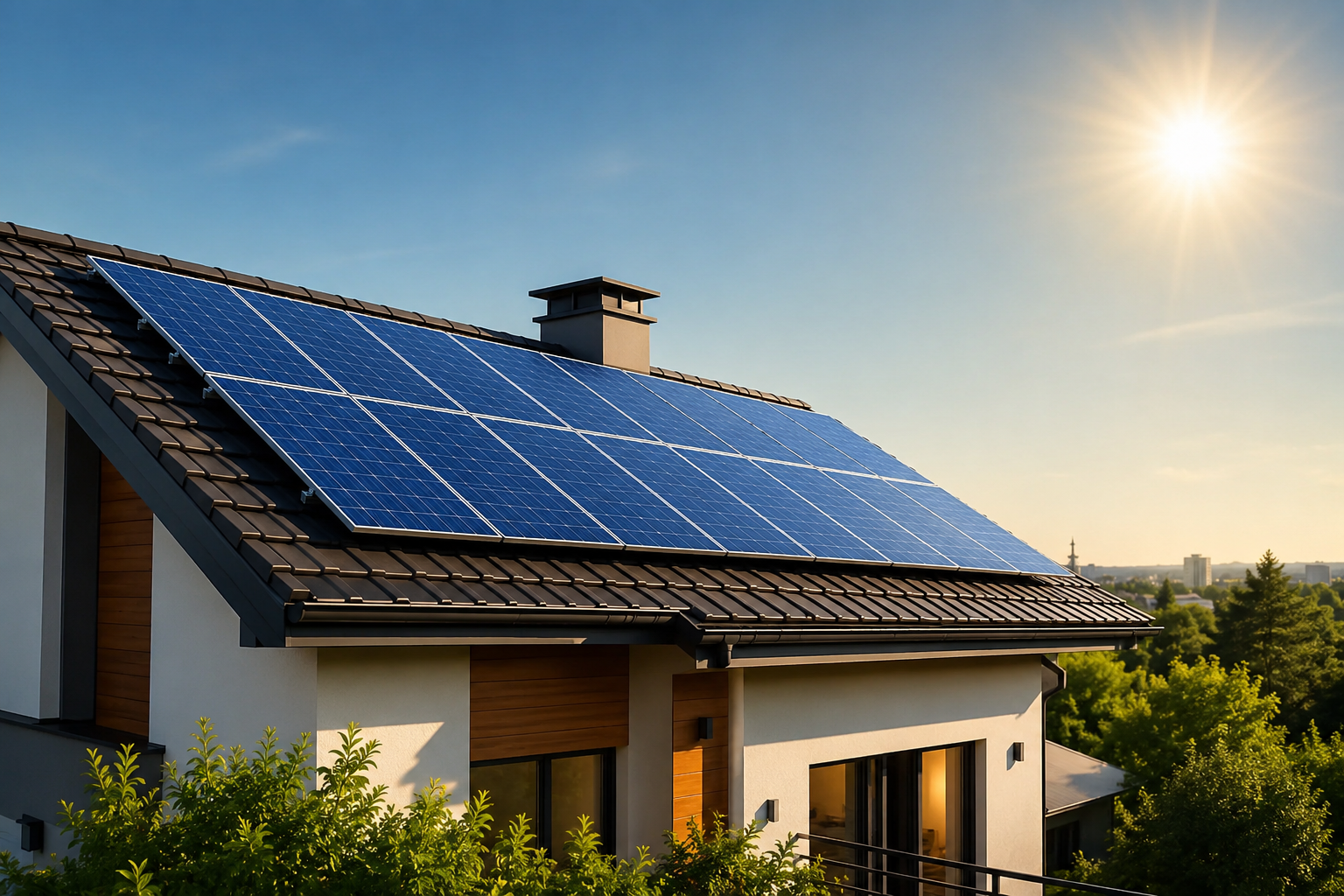
A rooftop solar system converts sunlight into usable electricity through photovoltaic (PV) panels. During daylight hours, the panels generate electricity that powers household appliances.
Solar Panels
Capture sunlight and generate DC electricity.
Mounting Structure
Securely holds the solar panels on the rooftop.
Solar Inverter
Converts DC electricity into AC power for home use.
Monitoring System
Tracks energy production and system performance in real time.
Battery Storage
Optional backup system for storing excess solar energy.
Electrical Protection
Ensures safe operation of the complete solar system.
Types of Solar Systems for Homes
On-Grid Solar System
Connected to the electricity grid and ideal for reducing monthly power bills.
Off-Grid Solar System
Operates independently using battery storage, perfect for remote areas.
Hybrid Solar System
Combines grid connectivity with battery backup for greater reliability.
Lower Electricity Bills
Generate your own electricity and reduce dependence on the grid.
Reliable Backup
Hybrid and off-grid systems provide uninterrupted power during outages.
Future Ready
Supports growing household energy needs and electric vehicle charging.
How Much Roof Space Do You Need?
Roof size plays an important role in determining the capacity of your solar system. Larger systems naturally require more installation space depending on panel efficiency and layout.
- Roof dimensions
- Roof orientation
- Structural strength assessment
- Shadow analysis
- Available sunlight throughout the day
A professional site survey ensures maximum energy generation while maintaining structural safety.
Choosing the Right Solar Panel
High Efficiency
Better conversion efficiency produces more electricity.
Long Warranty
Choose products backed by strong product and performance warranties.
Durability
Premium panels withstand harsh weather conditions for decades.
Temperature Performance
Efficient operation even during hot Indian summers.
Trusted Manufacturers
Select reputable brands with proven reliability.
Low Maintenance
Quality panels require minimal maintenance over their lifespan.
Understanding Solar Inverters
The inverter converts the DC electricity generated by solar panels into AC electricity used by household appliances.
- String Inverters – Suitable for standard residential rooftops.
- Micro Inverters – Ideal for roofs with shading or multiple orientations.
- Hybrid Inverters – Designed for homes using battery storage systems.
What Affects the Cost of a Home Solar System?
The total investment for a residential solar system depends on several technical and installation-related factors. Instead of focusing only on the initial cost, homeowners should consider long-term savings, system quality, and performance.
- System capacity (kW)
- Solar panel quality
- Inverter type
- Roof structure and design
- Mounting system
- Electrical upgrades
- Battery storage (optional)
- Installation complexity
Government Subsidies for Residential Solar
The Government of India continues to encourage rooftop solar adoption through various renewable energy initiatives. Eligible homeowners can benefit from subsidy programs, helping reduce the upfront investment required for installing a residential solar system.
Lower Initial Cost
Government subsidies reduce the overall installation investment.
Renewable Energy Support
Promotes clean energy adoption across residential properties.
Higher ROI
Lower installation costs improve overall return on investment.
Energy Independence
Encourages homeowners to generate their own electricity.
Sustainable Living
Supports India’s long-term clean energy goals.
Financial Benefits
Provides long-term savings through reduced electricity bills.
Benefits of Installing Solar Panels at Home
Lower Electricity Bills
Generate your own electricity and significantly reduce monthly power expenses.
Energy Independence
Reduce dependence on conventional electricity and rising tariffs.
Environment Friendly
Produce clean energy without harmful carbon emissions.
Increase Property Value
Solar-equipped homes often attract higher resale value.
Low Maintenance
Modern solar systems require minimal maintenance.
Long-Term Savings
Save money for decades after the initial installation.
Battery Storage: Is It Necessary?
Battery storage is optional for most homeowners. It becomes particularly useful in locations with frequent power outages or for families seeking complete energy independence.
- Frequent power interruptions
- Need for backup electricity
- Off-grid operation
- Higher energy independence
- Future-ready home energy solutions
How Long Do Solar Panels Last?
High-quality solar panels are designed to provide reliable electricity generation for many years. With proper installation and periodic maintenance, homeowners can enjoy decades of efficient solar energy production.
Durable Design
Built to withstand harsh weather conditions.
Long Performance
Generate electricity efficiently for decades.
Reliable Output
Consistent energy production throughout the system lifecycle.
Warranty Protection
Most premium panels include long-term product warranties.
Minimal Degradation
Quality panels maintain high efficiency over time.
Excellent Investment
Long lifespan delivers greater financial returns.
Solar System Maintenance
Residential solar systems require very little maintenance compared to many other home energy systems. Routine inspections and cleaning help maximize performance.
- Clean solar panels periodically
- Inspect electrical connections
- Monitor energy generation
- Check inverter performance
- Schedule professional inspections when required
Common Mistakes Homeowners Make
Choosing the Cheapest System
Low-cost systems may compromise efficiency, durability, and long-term savings.
Ignoring Roof Assessment
Improper roof evaluation can reduce energy generation and safety.
Incorrect System Size
Oversized or undersized systems reduce return on investment.
Ignoring Future Needs
Consider future appliances, EV charging, and home expansion.
Choosing Inexperienced Installers
Professional installation ensures safety and long-term performance.
Poor Quality Components
Premium components improve efficiency, reliability, and lifespan.
Why Choose COP Energy?
COP Energy helps homeowners transition to clean, reliable, and cost-effective solar power with customized residential rooftop solar solutions.
- Residential Rooftop Solar Installation
- Site Survey & Energy Assessment
- Customized System Design
- Solar EPC Services
- Hybrid Solar Solutions
- Battery Energy Storage Systems
- EV Charging Integration
- Annual Maintenance Support
Why Residential Solar Is a Smart Long-Term Investment
Installing a home solar system is no longer just an environmental decision—it is a smart financial investment. By reducing electricity expenses, improving energy reliability, and supporting sustainable living, homeowners enjoy long-term savings while contributing to a cleaner future.
Frequently Asked Questions (FAQs)
1. Is a rooftop solar system suitable for every home?
Most homes with sufficient roof space and adequate sunlight can benefit from rooftop solar. A professional site assessment helps determine the ideal system size and design.
2. How much maintenance do solar panels require?
Residential solar systems require very little maintenance. Periodic cleaning and routine inspections are generally enough to maintain optimal performance.
3. Can I install battery storage later?
Yes. Many homeowners begin with an on-grid solar system and later upgrade to a hybrid system by adding battery storage as their energy requirements increase.
4. Do solar panels work during cloudy weather?
Yes. Solar panels continue generating electricity even during cloudy conditions, although power generation may be lower compared to bright sunny days.
5. How long does a residential solar system last?
High-quality solar panels are designed to last for decades with proper installation and regular maintenance, providing reliable long-term energy savings.
6. Can solar panels reduce my electricity bill completely?
Depending on your system capacity and electricity usage, solar panels can significantly reduce monthly electricity bills and, in some cases, offset most of your energy consumption.
7. Why should I choose COP Energy for residential solar installation?
COP Energy provides end-to-end residential solar solutions, including site assessment, customized system design, professional installation, battery storage options, annual maintenance, and dedicated customer support to ensure maximum energy savings.
Conclusion
Residential solar energy has evolved from being an alternative power source into one of the smartest long-term investments for modern homeowners. With increasing electricity prices and growing awareness about sustainable living, installing rooftop solar panels offers both financial and environmental benefits.
Whether your goal is reducing monthly electricity bills, achieving greater energy independence, or increasing your property’s value, a professionally designed home solar system delivers reliable performance and long-term savings for years to come.
Choosing the right solar equipment, proper system sizing, and an experienced installation partner ensures maximum efficiency and return on investment. Government support and advancements in solar technology have made residential solar more accessible than ever before.
At COP Energy, we are committed to helping homeowners transition to clean, efficient, and future-ready energy solutions through high-quality rooftop solar installations, expert consultation, and comprehensive after-sales support.
Invest in solar today and take the first step toward a more sustainable, energy-efficient, and cost-effective future for your home.