Solar Peak Shaving: How Businesses Can Reduce High-Demand Electricity Costs
For many businesses, electricity costs are not determined only by total energy consumption. Peak demand can also significantly influence monthly power bills. This is where solar peak shaving can help businesses manage high-demand periods and improve energy efficiency.
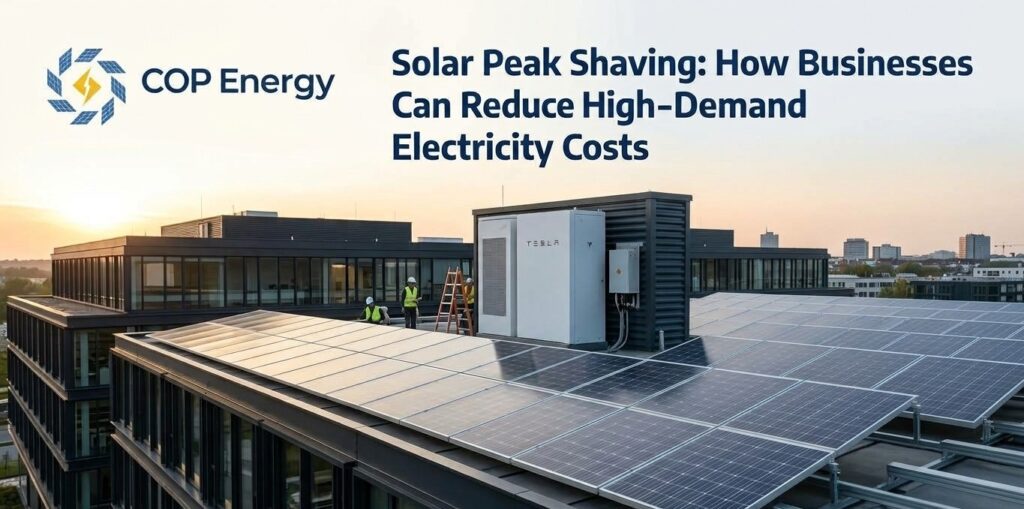
A well-designed peak-shaving strategy can combine solar generation, battery energy storage and intelligent energy management to reduce the amount of electricity drawn from the grid when demand is highest.
What Is Solar Peak Shaving?
Solar peak shaving is an energy-management strategy that reduces the amount of electricity a business draws from the grid during periods of high demand.
A typical system combines solar power, battery energy storage and intelligent energy management. Solar energy can supply daytime loads, while a battery can discharge during periods when electricity demand rises sharply.
Solar peak shaving focuses on managing when electricity is consumed, not just how much electricity a business uses. The objective is to reduce high grid demand while making better use of available solar and stored energy.
How Does Peak Shaving With BESS Work?
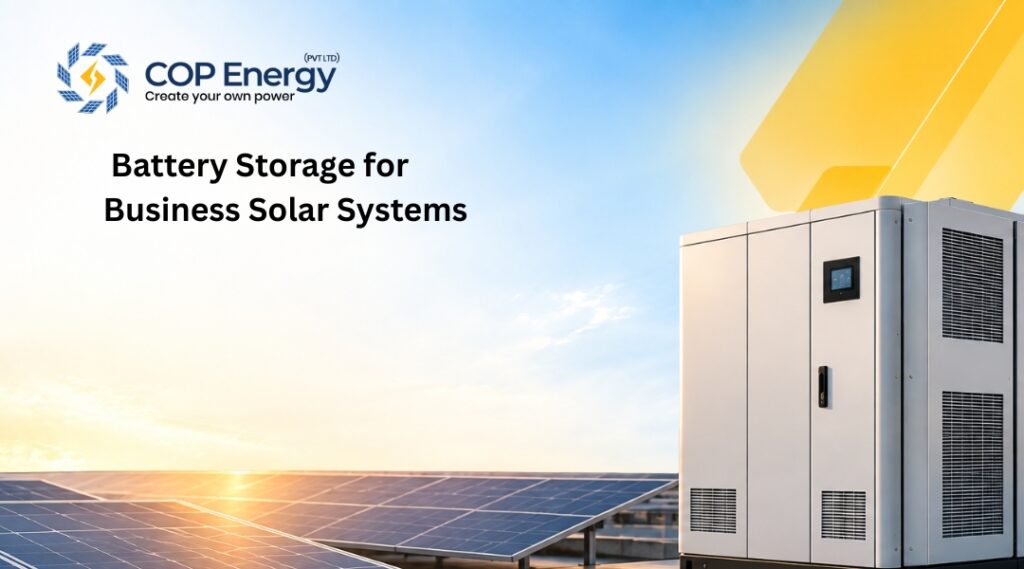
Consider a manufacturing facility that experiences a short period of very high electricity demand. Instead of meeting the entire demand from the grid, a Battery Energy Storage System (BESS) can provide additional power during that peak period.
The battery can be charged when solar generation or other available electricity is sufficient and then discharged when the facility’s demand increases. This reduces grid dependency during high-demand intervals and helps businesses optimize their energy consumption.
India’s Ministry of New and Renewable Energy identifies energy storage as a resource that can support peak-hour use, energy shifting, grid stability and reduction of peak deficits and peak tariffs. Businesses can refer to the MNRE Energy Storage Systems overview for official information.
Why Should Businesses Consider Solar Peak Shaving?
Businesses with manufacturing equipment, HVAC systems, commercial facilities, warehouses or EV charging infrastructure may experience significant demand spikes. These short periods of high demand can make energy management more challenging.
Peak shaving can help businesses:
- Reduce peak grid demand
- Improve energy utilization
- Make better use of solar generation
- Reduce exposure to high-demand periods
- Improve energy resilience
However, the actual savings depend on the electricity tariff, load profile, solar capacity, battery size, battery operating strategy and the business’s daily energy pattern. A technical and financial assessment should therefore be completed before selecting a system.
Why Combine Solar and Battery Storage?
Solar panels generate electricity primarily during daylight hours, while business demand may continue throughout the day and may increase during specific operating periods. Battery storage helps shift available energy to the periods when it is most valuable.
Combining solar with commercial battery storage can create a more flexible energy strategy. Instead of using solar generation only when it is produced, stored energy can be available for selected high-demand periods, depending on the system design and operating requirements.
COP Energy provides integrated solar and battery storage solutions for businesses, including energy-storage solutions designed to support peak shaving and energy optimization. Explore COP Energy’s energy solutions to understand how a business-focused solar and storage strategy can be evaluated.
Is Solar Peak Shaving Right for Your Business?
The best starting point is an energy audit and load-profile analysis. Understanding when your facility consumes the most electricity helps determine whether solar, BESS, or a combined solution makes financial and operational sense.
Key information to review includes peak demand levels, operating hours, electricity tariff structure, existing solar generation, battery requirements and the duration of high-demand periods.
Businesses can also review official guidance on energy storage and grid planning through the Central Electricity Authority’s BESS resources .
If you want to discuss your facility’s energy requirements, you can also contact COP Energy for further discussion about solar, battery storage and energy-management requirements.
Conclusion
Solar peak shaving can help businesses take a more strategic approach to electricity consumption by reducing grid demand during high-demand periods. When combined with solar generation and battery storage, businesses can improve energy utilization and gain greater control over when electricity is used.
With the right load analysis and system design, businesses can move from simply consuming electricity to actively managing when and how they use it.
Explore Solar Peak Shaving for Your Business
Assess your energy profile and explore whether solar and battery storage can support peak-demand management and energy cost reduction for your business.
Discuss Your Energy RequirementsFrequently Asked Questions
What is solar peak shaving?
Solar peak shaving is an energy-management strategy that reduces the electricity a business draws from the grid during high-demand periods, typically using solar generation, battery storage and intelligent energy management.
How does BESS help with peak shaving?
A Battery Energy Storage System can discharge during periods of high electricity demand, reducing the amount of power that needs to be supplied by the grid.
Can solar peak shaving reduce business electricity costs?
It can help reduce demand-related electricity costs, but actual savings depend on the tariff structure, load profile, solar capacity, battery size and operating pattern of the business.
Which businesses can benefit from solar peak shaving?
Manufacturing facilities, commercial buildings, warehouses, facilities with large HVAC loads and businesses with EV charging infrastructure may benefit when they experience significant demand spikes.
How can a business determine whether peak shaving is suitable?
An energy audit and load-profile analysis can help identify when electricity demand is highest and whether solar, BESS or a combined system makes financial and operational sense.