With rising electricity costs, frequent power fluctuations, and growing awareness about sustainability, 2026 is becoming a turning point for rooftop solar adoption in India.
Homeowners and businesses are now actively looking for smarter ways to reduce energy expenses and gain control over their electricity usage. With improved technology and government support, solar energy has become more accessible than ever.
Investing in rooftop solar is no longer just about saving money—it is about achieving energy independence and building a sustainable future.
Rising Electricity Costs in India
Increasing Power Tariffs
Electricity prices are steadily rising, increasing monthly expenses.
Long-Term Savings
Solar energy helps reduce electricity bills over time.
Government Subsidies and Incentives
Subsidy Programs
Government schemes support rooftop solar adoption.
Reduced Installation Cost
Subsidies make solar systems more affordable.
Technological Advancements in Solar
High-Efficiency Panels
Modern panels generate more power using less space.
Battery Backup Systems
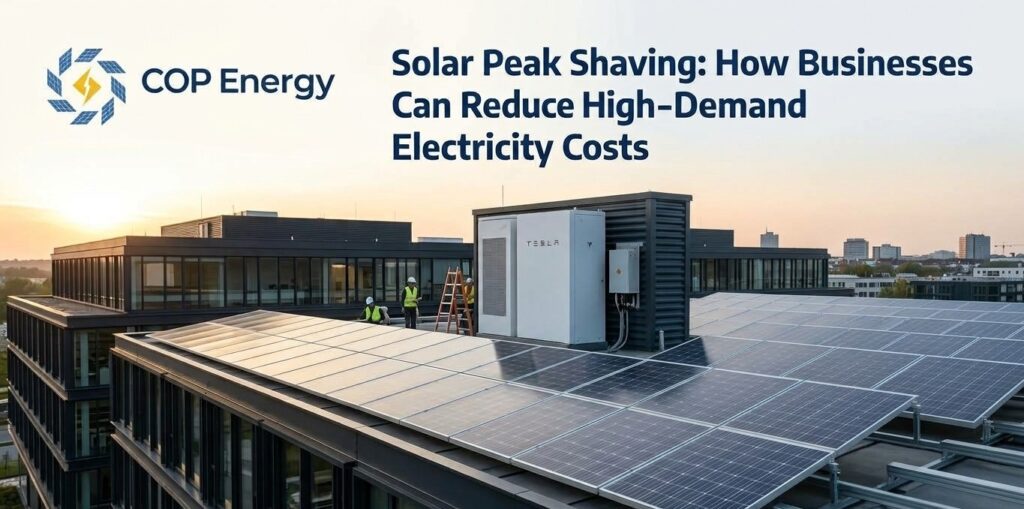
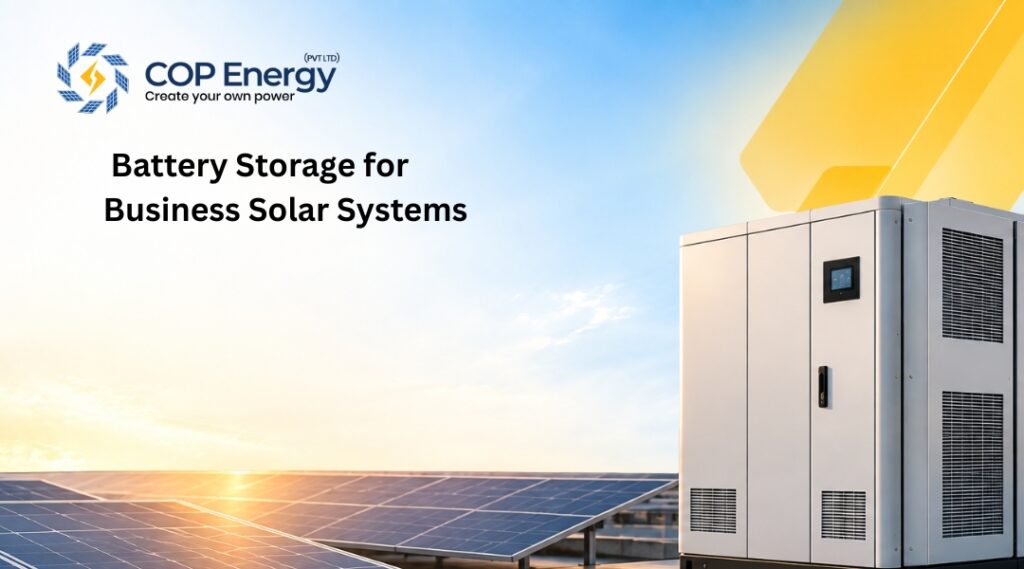
Store excess energy for later use.
Smart Energy Integration
Supports future solutions like EV charging.
Growing Demand for Energy Independence
Self-Sufficient Power
Generate your own electricity and reduce grid dependency.
Reliable Supply
Hybrid systems ensure uninterrupted power.
Strong ROI and Long-Term Benefits
- High return on investment over time
- Solar panels last 20–25 years
- Significant savings on electricity bills
Environmental Benefits of Solar Energy
- Reduces carbon emissions
- Supports clean energy adoption
- Aligns with renewable energy goals
Importance of Professional Installation
Customized Design
Systems designed based on energy needs.
Efficient Setup
Ensures safety and optimal performance.
Maximized Savings
Experts help achieve better ROI.
Detailed Summary
The year 2026 presents a major opportunity to invest in rooftop solar systems in India. With increasing electricity costs and supportive government policies, solar energy has become a practical and cost-effective solution.
Advances in solar technology have improved efficiency, durability, and energy storage capabilities. Users can now generate their own electricity, reduce dependency on the grid, and ensure uninterrupted power supply.
Whether for residential or commercial use, solar energy offers long-term savings, energy security, and environmental benefits. With proper system selection and professional installation, users can maximize performance and returns.
Conclusion
Rooftop solar is one of the smartest investments in 2026. By adopting solar energy, individuals and businesses can reduce costs, achieve energy independence, and contribute to a sustainable future.