
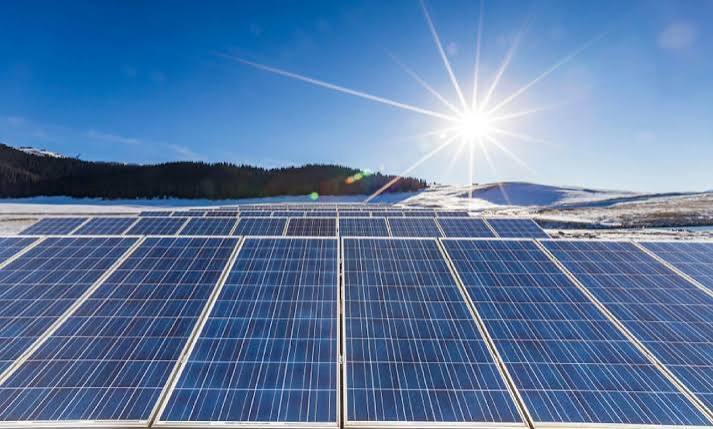
Best Solar Panels for Indian Weather: Complete 2026 Buying Guide
Last updated: July 2026 | Reviewed by the COP Energy technical team
Choosing the best solar panels for Indian weather requires more than simply comparing panel prices or efficiency ratings. India’s diverse climate exposes solar modules to extreme heat, heavy monsoons, dust, humidity, pollution, strong winds and, in coastal regions, salt-laden air.
In this comprehensive solar panel buying guide, we compare TOPCon solar panels, Mono PERC solar panels and bifacial solar panels. We will also examine solar panel efficiency, heat performance, durability, lifespan, weather resistance, maintenance requirements and long-term value.
Whether you are planning a residential rooftop installation, a commercial solar project or a larger industrial system, selecting the right module technology can significantly influence lifetime electricity generation and return on investment.
Best Solar Panels for Indian Weather at a Glance
| Panel Technology | Typical Strength | Best Suited For | Key Advantage |
|---|---|---|---|
| TOPCon | High efficiency and low degradation | Homes, commercial and industrial projects | Strong long-term energy generation |
| Mono PERC | Reliable and widely available | Residential rooftops and small businesses | Good balance of cost and performance |
| Bifacial | Front and rear-side generation | Commercial, industrial and suitable rooftops | Can generate additional energy from reflected light |
| Polycrystalline | Traditional and economical technology | Budget-conscious installations | Lower initial cost |
For most new installations, buyers should compare the complete system rather than focusing only on the panel name. Module efficiency, temperature coefficient, degradation rate, warranty, installation quality, inverter compatibility and local service support all affect the actual lifetime value of a solar system.
Why Indian Weather Matters When Choosing Solar Panels
India has one of the world’s most diverse climatic environments. A solar panel installed in Hyderabad experiences different conditions from one installed in Kerala, Rajasthan, Gujarat, Tamil Nadu or a Himalayan region.
This means that the best solar panels for Indian weather should be selected according to the property’s local climate rather than based solely on the highest advertised efficiency.
1. High Summer Temperatures
Several parts of India regularly experience temperatures above 40°C during peak summer. Solar modules can become significantly hotter than the surrounding air when exposed to direct sunlight.
As module temperature increases, electrical output generally decreases. This makes the panel’s temperature coefficient an important specification when selecting solar panels for hot climate conditions.
2. Heavy Monsoon Seasons
Indian monsoons can bring heavy rainfall, strong winds, cloud cover and prolonged moisture exposure.
A high-quality solar module should be designed and certified for outdoor operation, while the mounting structure, waterproofing, cabling and installation quality must also be suitable for local conditions.
3. Dust and Pollution
Dust accumulation is a major consideration in cities and semi-arid regions. Dirt on the module surface can block sunlight and reduce energy generation.
Good-quality glass, suitable module design and regular cleaning can help maintain energy production between maintenance cycles.
4. Coastal Humidity and Salt Exposure
Coastal locations such as Visakhapatnam, Chennai, Kochi, Goa and parts of Gujarat can experience high humidity and salt-laden air.
For coastal installations, buyers should consider corrosion-resistant solar panels, durable frames, suitable encapsulation materials and products tested for harsh environmental conditions.
5. Seasonal Temperature Variations
Solar panels must operate throughout hot summers, rainy monsoons and cooler winter periods.
A module with a suitable temperature coefficient, strong mechanical construction and low degradation can provide more consistent lifetime electricity generation across changing conditions.
Planning a rooftop solar installation for your home? Explore COP Energy Residential Solar Solutions to understand residential solar system options, installation and energy-saving solutions.
Types of Solar Panels Available in India
The Indian solar market offers several module technologies. Among the most commonly considered options for modern installations are Mono PERC solar panels, TOPCon solar panels and bifacial solar panels.
Mono PERC Solar Panels
Mono PERC, or Passivated Emitter and Rear Cell, has been widely adopted for residential and commercial solar installations.
- High efficiency compared with older polycrystalline technology
- Good performance where roof space is limited
- Established technology
- Widely available in the Indian market
- Suitable for residential rooftop systems
For homeowners considering a rooftop system, see Residential Solar Solutions .
TOPCon Solar Panels
TOPCon solar panels use Tunnel Oxide Passivated Contact technology and represent a newer generation of high-efficiency photovoltaic modules.
- High module efficiency
- Strong energy generation per square metre
- Low degradation potential
- Good temperature performance
- Strong suitability for modern rooftop systems
- Increasingly popular for residential and commercial projects
Bifacial Solar Panels
Bifacial solar panels can generate electricity from both the front and rear surfaces of the module when suitable reflected or diffused light reaches the rear side.
- Potential for additional energy generation
- Useful in suitable mounting environments
- Popular in commercial and utility-scale projects
- Can benefit from reflective ground surfaces
- Requires appropriate system design
Mono PERC Solar Panels: Are They Still a Good Choice?
Mono PERC solar panels remain a practical option for many Indian homeowners and businesses. They have been widely deployed and are available from numerous established manufacturers.
For a residential system, Mono PERC can offer a good balance between solar panel efficiency, cost and proven field performance. They can be particularly attractive when the project budget is important and sufficient roof area is available.
Advantages of Mono PERC
- Good efficiency
- Proven technology
- Wide product availability
- Suitable for residential rooftops
- Suitable for many commercial applications
- Good performance under normal Indian operating conditions
However, buyers planning a new solar installation in 2026 should also compare Mono PERC with newer technologies such as TOPCon before making a final decision.
TOPCon Solar Panels: Why Are They Popular in 2026?
TOPCon solar panels have gained significant attention in the modern solar market because they can combine high efficiency with strong degradation characteristics and improved energy yield.
For properties where roof space is limited, higher-efficiency modules can produce more power without requiring a proportionally larger installation area.
Higher Efficiency
Modern TOPCon modules can achieve high conversion efficiency, making them attractive for residential rooftops with limited usable space.
Lower Temperature Losses
A lower temperature coefficient can help reduce the amount of power lost as module temperature increases, which is particularly relevant to many Indian climates.
Lower Degradation
High-quality TOPCon modules can offer low annual degradation, helping preserve energy generation over a long operating period.
Long-Term Energy Yield
The combination of efficiency, degradation characteristics and modern cell architecture can make TOPCon an attractive option when evaluating lifetime energy production.
Which Solar Panel Performs Best in Different Indian Weather Conditions?
India has several different climatic zones, so there is no single module technology that is automatically the best solar panel for every location. The right choice depends on temperature, rainfall, humidity, dust, roof structure, available space and the expected operating environment.
When selecting solar panels for Indian weather, homeowners and businesses should evaluate both the panel technology and the environmental conditions at the installation site.
Best Solar Panels for Hot Regions
Cities such as Hyderabad, Vijayawada, Nagpur, Jaipur, Delhi and Ahmedabad can experience very high summer temperatures. In these environments, module temperature can rise considerably above ambient air temperature.
For solar panels for hot climate conditions, the temperature coefficient is an important specification. A lower negative temperature coefficient generally means that the panel experiences a smaller percentage reduction in power output as temperature increases.
Recommended technologies: TOPCon solar panels and high-quality Mono PERC solar panels with suitable temperature coefficients.
TOPCon Solar Panels
TOPCon modules are increasingly considered for hot Indian climates because modern products can combine high efficiency with favourable temperature performance and low degradation characteristics.
High-Efficiency Mono PERC
Premium Mono PERC modules can also perform effectively in hot climates when they have appropriate temperature coefficients, quality construction and professional installation.
Best Solar Panels for Coastal Areas
Coastal cities such as Visakhapatnam, Chennai, Kochi, Goa and Mumbai experience high humidity and salt-laden air. These conditions can create additional corrosion challenges for solar mounting structures and module components.
When selecting solar panels for Indian weather in coastal areas, do not evaluate efficiency alone. Pay close attention to environmental durability and the manufacturer’s testing and warranty documentation.
Important Features for Coastal Installations
- Corrosion-resistant aluminium frames
- Durable encapsulation materials
- Strong moisture protection
- Anti-PID protection
- High-quality tempered glass
- Suitable environmental certifications and testing
- Corrosion-resistant mounting structures
Premium TOPCon solar panels and high-quality Mono PERC modules can be suitable for coastal installations when the complete system is designed for the local environment.
Best Solar Panels for Rainy Regions
The Indian monsoon can bring prolonged cloud cover, rainfall and diffuse sunlight. Solar panels continue generating electricity during these conditions, but power output is normally lower than during clear, sunny periods.
High-efficiency modules can be beneficial because they are designed to convert available sunlight efficiently. However, panel selection should not be based on efficiency alone.
Low-Light Performance
Modern high-efficiency solar modules can perform well under diffuse light conditions. Actual low-light performance varies by module design and environmental conditions.
Water and Wind Resistance
For monsoon regions, module quality, waterproof electrical connections, drainage, mounting structure and proper installation are essential for long-term reliability.
Best Solar Panels for Dust-Prone Areas
Dust accumulation can be a significant performance issue in Telangana, Andhra Pradesh, Rajasthan, Karnataka and other regions where dry conditions and airborne dust are common.
Even highly efficient modules can experience reduced electricity generation when the front surface becomes heavily soiled. Therefore, the best rooftop solar panels for dusty locations should be paired with an appropriate cleaning and maintenance plan.
Useful Features for Dust-Prone Locations
Anti-Reflective Glass
High-quality glass can improve light transmission and help maximise the sunlight reaching the solar cells.
Suitable Surface Design
Module glass and frame design should support practical cleaning and drainage during rainfall.
Regular Cleaning
Periodic cleaning can help maintain energy production where dust and pollution are significant.
Understanding Solar Panel Efficiency
Solar panel efficiency represents the percentage of available solar energy that a photovoltaic module can convert into electrical energy under specified test conditions.
Higher module efficiency can be particularly valuable when roof space is limited because more electrical generation can potentially be installed within the same usable area.
More Electricity per Area
High-efficiency modules can produce more power from a given roof area, which is useful for properties with limited installation space.
Better Roof Utilisation
A higher-power module can help achieve the required system capacity using fewer panels or a smaller overall footprint, depending on module dimensions.
Long-Term Value
Efficiency is only one part of lifetime value. Degradation, temperature behaviour, warranty, installation quality and energy yield should also be considered.
Solar Panel Efficiency Comparison
The following ranges are provided as general technology-level examples rather than guarantees for every commercially available module. Actual efficiency varies by manufacturer, model and generation of technology.
| Solar Panel Technology | Indicative Efficiency Range | Key Characteristic |
|---|---|---|
| Polycrystalline | Approximately 16–18% | Traditional and economical technology |
| Mono PERC | Approximately 20–22% | Established high-efficiency rooftop technology |
| TOPCon | Approximately 22–24% | Modern high-efficiency technology |
| Bifacial | Can reach high module efficiency depending on design | Can generate additional energy from rear-side irradiance |
When comparing best solar panels in India, do not select a module based only on the highest efficiency number. A slightly less efficient panel with better temperature performance, lower degradation, stronger warranty support and better installation suitability may deliver greater lifetime value.
What Is a Solar Panel Temperature Coefficient?
The temperature coefficient indicates how the electrical characteristics of a solar module change as its temperature moves away from the standard testing condition.
Solar modules generally lose some power output as their operating temperature increases. This is especially important in India because module temperatures can become considerably higher than ambient air temperature during intense summer sunlight.
Example: If two modules have similar rated power but one has a more favourable temperature coefficient, the module with the better coefficient may experience a smaller power reduction under high operating temperatures.
Why Temperature Coefficient Matters in India
- Indian summers can produce high module operating temperatures.
- Rooftop surfaces can become significantly hotter than surrounding air.
- High temperature can reduce instantaneous module output.
- Temperature performance can influence annual energy yield.
- Thermal management is particularly important in hot regions.
Therefore, when comparing solar panels for hot climate installations, review the manufacturer’s datasheet instead of relying only on marketing claims.
Solar Panel Lifespan: How Long Do Solar Panels Last?
A solar installation is a long-term investment. The solar panel lifespan depends on module quality, environmental conditions, installation practices, degradation rate and maintenance.
Modern photovoltaic modules are generally designed to operate for decades. However, panels gradually lose some generating capacity over time rather than suddenly stopping at a specific age.
| Panel Technology | Indicative Operating Life | Typical Warranty Consideration |
|---|---|---|
| Polycrystalline | Approximately 25 years or more | Product and performance warranties vary |
| Mono PERC | Approximately 25–30 years | Many products offer long performance warranties |
| TOPCon | Approximately 30 years or more | Many modern products offer extended performance warranties |
| Bifacial | Approximately 30 years or more depending on product | Warranty depends on manufacturer and model |
These are planning ranges, not guaranteed lifespans. Always check the specific manufacturer’s product warranty, performance warranty and degradation guarantee before purchasing.
Solar Panel Product Warranty vs Performance Warranty
Product Warranty
The product warranty generally covers manufacturing defects and certain material or workmanship problems for a specified period.
Before purchasing, check exactly what is covered, exclusions, claim procedures and the manufacturer’s service process in India.
Performance Warranty
A performance warranty typically specifies the minimum power output the module is expected to retain over a defined period.
A lower annual degradation rate can help preserve more energy-generating capacity over the system’s operating life.
Solar Panel Degradation: Why It Matters
Solar panel degradation refers to the gradual reduction in a module’s electricity-generating capability over time.
For example, a module initially rated at a particular power output may produce somewhat less power after many years of operation. The amount of degradation depends on the module technology, manufacturing quality, environmental exposure and operating conditions.
Factors That Can Influence Degradation
Heat
Long-term exposure to high temperatures can contribute to module ageing and may affect energy output over time.
Humidity
Moisture ingress and humid environmental conditions can contribute to material degradation if the module is not properly designed and protected.
UV Exposure
Solar modules remain outdoors for decades and are continuously exposed to ultraviolet radiation, making material durability important.
Mechanical Stress
Wind, snow where applicable, thermal expansion and installation-related stresses can affect module durability.
Potential-Induced Degradation
PID can reduce module performance under certain electrical and environmental conditions. Suitable module design and system installation can help manage this risk.
Installation Quality
Incorrect clamping, poor cable management or improper mounting can create avoidable mechanical and electrical stress.
Are Bifacial Solar Panels Good for Indian Weather?
Bifacial solar panels can generate electricity from both sides of the module when the rear surface receives useful reflected or diffuse sunlight.
Their actual benefit depends heavily on system design. Ground reflectivity, mounting height, row spacing, rear-side shading, surface conditions and installation structure can all influence the additional energy captured from the rear side.
Advantages of Bifacial Panels
- Potential additional rear-side generation
- Useful for suitable commercial installations
- Can work well with reflective surfaces
- Suitable for selected ground-mounted systems
- Long-term energy generation potential
Things to Check Before Buying
- Available rear-side irradiance
- Mounting height
- Roof or ground reflectivity
- Rear-side shading
- Installation structure
- Actual bifacial gain expected at the site
For many commercial and industrial projects, a proper site-specific energy model is more useful than assuming a fixed percentage of additional generation from bifacial technology.
TOPCon vs Mono PERC vs Bifacial Solar Panels
| Factor | TOPCon | Mono PERC | Bifacial |
|---|---|---|---|
| Efficiency | High | High | High, depending on model |
| Heat Performance | Generally strong | Good | Depends on cell technology |
| Degradation | Generally low in modern products | Established degradation characteristics | Depends on cell technology |
| Roof Space | Excellent for limited space | Good | Good, depending on module power |
| Rear-Side Generation | Not necessarily | Usually not | Yes |
| Residential Use | Excellent | Excellent | Site dependent |
| Commercial Use | Excellent | Good | Excellent where conditions support bifacial gain |
| Long-Term Value | Strong | Strong | Strong when properly designed |
For businesses and industrial facilities, explore COP Energy Commercial & Industrial Solar Solutions for large-scale solar system planning, installation and energy-saving solutions.
Official Solar Energy Resources
Before finalising a solar project, buyers can also review information from India’s renewable-energy authorities and international energy organisations.
Which Solar Panel Performs Best in Different Indian Weather Conditions?
India has one of the world’s most diverse climates, so the best solar panels for Indian weather can vary depending on the location. A panel that performs exceptionally well in a hot and dry region may require different design considerations in a coastal or high-rainfall environment.
When selecting solar panels for Indian weather, homeowners and businesses should evaluate temperature coefficient, panel efficiency, degradation rate, mechanical strength, moisture resistance, corrosion protection and warranty coverage.
Best Solar Panels for Hot Regions
Cities such as Hyderabad, Vijayawada, Nagpur, Jaipur, Delhi and Ahmedabad can experience summer temperatures above 40°C. High temperatures can reduce solar panel output because photovoltaic modules become hotter than the surrounding air.
TOPCon solar panels are increasingly attractive for hot Indian climates because many modern TOPCon modules offer favourable temperature coefficients and high conversion efficiency. This can help maintain stronger energy production when module temperatures increase.
Recommended Technology
- TOPCon solar panels
- High-efficiency Mono PERC solar panels
- Modules with a favourable temperature coefficient
- High-quality tempered glass
- Strong encapsulation and frame construction
What to Check
- Temperature coefficient
- Operating temperature range
- Module efficiency
- Degradation warranty
- Product warranty
- Manufacturer reliability
Best Solar Panels for Coastal Areas
Coastal locations such as Visakhapatnam, Chennai, Kochi, Goa and Mumbai experience high humidity and salt-laden air. These conditions can increase the risk of corrosion and material degradation if the solar module and mounting structure are not appropriately designed.
For coastal installations, choose solar panels for Indian weather that offer robust encapsulation, corrosion-resistant frames, reliable sealing and suitable certification for harsh environmental conditions.
- Corrosion-resistant aluminium frames
- High-quality encapsulation materials
- Anti-PID protection
- Strong waterproofing and sealing
- Durable tempered glass
- Suitable salt-mist and environmental testing
Both premium TOPCon solar panels and high-quality Mono PERC solar panels can be considered for coastal installations when the specific module has suitable environmental specifications.
Best Solar Panels for Rainy Regions
Solar panels continue generating electricity during cloudy and rainy conditions, although energy production is normally lower than during strong sunlight. Areas receiving heavy monsoon rainfall should therefore use modules designed for reliable operation under moisture, wind and changing weather conditions.
High-efficiency TOPCon solar panels can be an attractive choice because modern high-efficiency modules can perform well under diffuse-light conditions. However, actual performance depends on the specific module design, inverter, system orientation and weather conditions.
Best Solar Panels for Dust-Prone Areas
Dust accumulation can be a major concern in Telangana, Andhra Pradesh, Rajasthan, Karnataka and other dry or semi-arid regions. Dust blocks part of the sunlight reaching the photovoltaic cells and can reduce electricity generation.
When selecting best rooftop solar panels for dusty locations, consider:
- High-quality anti-reflective glass
- Durable tempered glass
- Suitable anti-soiling characteristics
- Robust frame construction
- Easy cleaning access
- Professional mounting design
Regular maintenance is also important. Even the best solar panels in India can experience lower output when dust, bird droppings or other contaminants remain on the module surface for extended periods.
Understanding Solar Panel Efficiency
Solar panel efficiency measures how effectively a photovoltaic module converts available sunlight into electricity. Higher efficiency can be particularly valuable when rooftop space is limited.
For example, two solar panels with the same physical dimensions may have different power ratings because their cell technology and efficiency differ. A higher-efficiency module can generate more electricity from a similar roof area.
Higher Energy Generation
High-efficiency modules can generate more electricity from the available installation area, making them useful for homes and businesses with limited roof space.
Better Roof Utilisation
Higher power density can help maximise available rooftop space without unnecessarily increasing the number of modules.
Long-Term Value
Higher efficiency can contribute to greater lifetime energy generation when the system is correctly designed and maintained.
Indicative Efficiency Comparison
| Solar Panel Technology | Indicative Efficiency Range | Typical Application |
|---|---|---|
| Polycrystalline | Approximately 16–18% | Older or budget-oriented systems |
| Mono PERC | Approximately 20–22% | Residential and commercial rooftops |
| TOPCon | Approximately 22–24% | High-efficiency residential and commercial systems |
| Bifacial | Up to approximately 24% depending on module | Suitable installations with useful rear-side irradiance |
These figures are indicative rather than universal. Actual efficiency depends on the individual module, manufacturer, cell architecture and product generation. Always check the manufacturer’s current datasheet before purchasing.
If your property has limited rooftop space, explore COP Energy Residential Solar Solutions for professional system design and installation support.
Solar Panel Lifespan: How Long Do Solar Panels Last?
A solar photovoltaic system is a long-term investment. Therefore, solar panel lifespan is one of the most important factors to evaluate before purchasing a rooftop solar system.
Modern solar modules are generally designed to operate for decades. However, their electricity output gradually declines over time. This gradual reduction is known as solar panel degradation.
| Panel Technology | Indicative Operational Life | Typical Warranty Consideration |
|---|---|---|
| Polycrystalline | Approximately 20–25+ years | Product and performance warranties vary |
| Mono PERC | Approximately 25–30 years | Long-term performance warranty |
| TOPCon | Approximately 25–30+ years | Long-term product and performance warranties |
| Bifacial | Approximately 25–30+ years | Depends on manufacturer and module design |
The exact solar panel lifespan depends on manufacturing quality, installation conditions, temperature, humidity, wind, moisture exposure, cleaning practices and long-term degradation characteristics.
Product Warranty vs Performance Warranty
When comparing the best solar panels for Indian weather, do not look only at the headline warranty period. Understand the difference between a product warranty and a performance warranty.
Product Warranty
Covers manufacturing defects and certain product-related failures for a specified period. The exact coverage differs between manufacturers.
Performance Warranty
Provides a guaranteed minimum power output after specified periods, subject to the manufacturer’s warranty conditions.
Before purchasing a module, review the official warranty document rather than relying only on marketing claims.
Best Solar Panel Brands for Indian Weather in 2026
The performance of a solar system depends on more than just panel technology. Manufacturer quality, testing, warranty support, product availability and installation expertise can significantly influence long-term results.
Some established manufacturers available in the Indian and international solar markets include:
Indian Manufacturers
- Waaree
- Adani Solar
- Tata Power Solar
- Vikram Solar
- RenewSys
International Manufacturers
- Canadian Solar
- LONGi Solar
- JA Solar
- Trina Solar
- JinkoSolar
What to Compare
- Module efficiency
- Temperature coefficient
- Product warranty
- Performance warranty
- Degradation rate
- Service support
Brand availability, product specifications and model ranges can change. Instead of selecting a panel based only on brand name, compare the exact module datasheet and warranty applicable to your project.
Important Factors When Selecting a Solar Panel Brand
- Manufacturer reputation: Review the company’s track record and product quality.
- Panel efficiency: Higher efficiency can be valuable when roof space is limited.
- Temperature coefficient: A lower power temperature coefficient can help reduce output losses at high module temperatures.
- Product warranty: Check the exact duration and coverage.
- Performance warranty: Review guaranteed output over time.
- Degradation rate: Lower degradation can support higher long-term energy production.
- Certifications: Confirm applicable Indian and international certifications.
- Local support: Availability of technical support and warranty service matters for long-term ownership.
At COP Energy, solar modules can be selected based on the property’s electricity consumption, available roof area, climate, system size, budget and expected long-term energy requirements.
Bifacial Solar Panels: Are They Suitable for Indian Conditions?
Bifacial solar panels can generate electricity from both the front and rear sides of the module when suitable reflected or diffuse light reaches the rear surface.
Their actual energy gain depends heavily on installation conditions. Roof reflectivity, mounting height, row spacing, rear-side shading and ground conditions all influence bifacial performance.
Potential Advantages
- Electricity generation from both sides
- Potentially higher energy yield
- Suitable for selected commercial installations
- Useful where rear-side irradiance is available
- Long-term generation potential
Important Considerations
- Rear-side irradiance availability
- Roof or ground reflectivity
- Mounting structure design
- Rear-side shading
- Additional system cost
- Site-specific energy modelling
For a residential rooftop, bifacial technology should be evaluated based on the actual roof design rather than assuming a fixed percentage of additional generation.
How Weather Conditions Affect Solar Panel Performance
| Weather Condition | Potential Impact | What to Look For |
|---|---|---|
| Extreme Heat | Lower instantaneous module output | Favourable temperature coefficient |
| Heavy Rain | Lower sunlight availability during storms | Reliable sealing and installation quality |
| Dust | Reduced sunlight reaching cells | Easy maintenance and suitable glass |
| Coastal Humidity | Corrosion and moisture exposure | Durable materials and corrosion protection |
| Strong Winds | Mechanical stress | Certified wind-load design and strong mounting |
| Cloudy Weather | Reduced solar irradiance | High-efficiency modules and good low-light response |
The best solar panels in India should therefore be selected according to the actual installation environment rather than based on efficiency alone.
Why Temperature Coefficient Matters in Indian Summers
One of the most important specifications when comparing solar panels for hot climate conditions is the temperature coefficient of power.
Solar module power ratings are measured under standard test conditions. In actual Indian summers, module temperatures can rise considerably above ambient temperature. As module temperature increases, electrical output generally decreases.
A panel with a more favourable temperature coefficient can experience a smaller relative power reduction as its temperature rises.
This is especially important when selecting solar panels for Indian weather in locations such as Hyderabad, Telangana, Andhra Pradesh, Rajasthan, Gujarat and other hot regions.
What Buyers Should Check
- Power temperature coefficient
- Nominal operating cell temperature or related thermal specifications
- Maximum operating temperature
- Module efficiency
- Degradation characteristics
- Manufacturer warranty
How to Choose the Best Solar Panels for Your Home or Business
Choosing the best solar panels for Indian weather requires more than comparing the wattage printed on a panel. A good solar investment should consider electricity consumption, available roof space, local climate, panel efficiency, degradation, warranty, installation quality and long-term energy requirements.
Whether you are planning a residential rooftop system or a large commercial installation, use the following checklist before making a purchase decision.
1. Check Your Electricity Consumption
Start by reviewing your electricity bills from the previous 12 months. Your average monthly and annual electricity consumption helps determine the appropriate solar system size.
Common residential and commercial system capacities include:
- 3kW solar system
- 5kW solar system
- 10kW solar system
- 25kW solar system
- 50kW solar system
- 100kW and larger commercial systems
Oversizing or undersizing a solar system can affect the economics of the project. A professional site assessment can help match the system capacity with actual consumption and available installation area.
For residential projects, explore COP Energy Residential Solar Solutions .
2. Assess Available Roof Space
Roof space is one of the most important factors when choosing best rooftop solar panels. Higher-efficiency modules can generate more electricity from a smaller installation area.
If your property has limited roof space, TOPCon solar panels or high-efficiency Mono PERC modules can be considered because they can provide higher power density.
The installer should also check:
- Available roof area
- Roof orientation
- Roof inclination
- Shading from buildings and trees
- Water tanks and other obstructions
- Structural strength
- Maintenance access
- Distance from electrical equipment
3. Evaluate the Local Climate
The climate of the installation location should influence your choice of solar panels for Indian weather.
| Location Condition | Recommended Considerations |
|---|---|
| Hot and Dry | Low temperature coefficient, high efficiency and durable construction |
| Coastal | Corrosion resistance, durable encapsulation and suitable environmental testing |
| Heavy Monsoon | Reliable sealing, mechanical strength and moisture resistance |
| Dust-Prone | Suitable glass, easy cleaning access and regular maintenance |
| Limited Roof Space | High-efficiency TOPCon or Mono PERC modules |
4. Compare Long-Term Value Instead of Only Price
The cheapest solar panel is not necessarily the most economical option over its complete operating life.
When comparing best solar panels in India, consider:
- Initial module price
- Solar panel efficiency
- Annual degradation
- Product warranty
- Performance warranty
- Temperature coefficient
- Expected energy generation
- Installation requirements
- Maintenance requirements
- Manufacturer support
A premium module that produces more energy and degrades more slowly may provide stronger long-term value than a cheaper module with lower efficiency or weaker warranty coverage.
5. Choose an Experienced Solar Installer
Even the best solar panels for Indian weather cannot deliver their expected performance if the system is poorly designed or installed.
A professional solar installer should provide:
- Detailed site assessment
- Solar energy generation estimate
- System capacity calculation
- Shadow analysis
- Panel layout planning
- Structural assessment
- Correct mounting structure
- Proper electrical protection
- Inverter selection
- System commissioning
- Performance monitoring
- After-sales support
COP Energy provides end-to-end solar solutions, including system design, installation, commissioning and after-sales support for residential and commercial customers.
Residential Solar Panels vs Commercial Solar Panels
The best rooftop solar panels for a home may not necessarily be the best choice for a commercial or industrial project. System size, electricity consumption, roof structure, operating hours and financial objectives are different.
| Factor | Residential Solar | Commercial Solar |
|---|---|---|
| Typical System Size | 3kW–10kW+ | 10kW–MW-scale systems |
| Primary Objective | Reduce household electricity bills | Reduce operating costs and optimise energy consumption |
| Roof Area | Usually limited | Often significantly larger |
| Panel Priority | High efficiency and compact installation | Energy yield, reliability and project economics |
| Monitoring | Household-level monitoring | Advanced energy and performance monitoring |
| Maintenance | Periodic cleaning and inspection | Scheduled O&M and performance monitoring |
For larger projects, explore COP Energy Commercial & Industrial Solar Solutions .
TOPCon vs Mono PERC vs Bifacial Solar Panels
One of the most common questions in a solar panel buying guide is whether buyers should choose TOPCon, Mono PERC or bifacial technology.
| Feature | Mono PERC | TOPCon | Bifacial |
|---|---|---|---|
| Efficiency | High | Very high | High to very high |
| Hot Climate Performance | Good | Very good | Depends on module and installation |
| Low-Light Performance | Good | Very good | Good, depending on module |
| Roof Space Requirement | Moderate | Lower for equivalent output | Depends on power rating |
| Rear-Side Generation | No | Usually no unless specifically designed | Yes |
| Daily Rooftop Use | Excellent | Excellent | Site dependent |
| Best Application | Residential and commercial | High-efficiency residential and commercial | Suitable sites with rear-side irradiance |
For many modern installations, TOPCon solar panels are an attractive high-efficiency option. However, the right technology should always be selected after evaluating the project location, roof conditions, budget and manufacturer specifications.
Solar Panel Degradation: What Happens After Installation?
Solar panels do not normally maintain exactly the same power output throughout their entire operating life. Their output gradually decreases due to solar panel degradation.
Degradation can be influenced by:
- High operating temperatures
- UV exposure
- Humidity
- Thermal cycling
- Moisture ingress
- Mechanical stress
- Manufacturing quality
- Installation environment
When comparing modules, review the manufacturer’s performance warranty and degradation guarantee. A lower degradation rate can contribute to higher lifetime electricity generation.
Why Degradation Matters
Imagine two solar panels with similar initial power output. If one panel loses capacity faster than the other, the difference in energy production can become significant over many years. Therefore, long-term performance should be considered alongside the initial purchase price.
How to Maintain Solar Panels in Indian Weather
Even the best solar panels in India require appropriate maintenance to maintain reliable energy generation. Maintenance requirements depend on local dust, pollution, rainfall, bird activity and installation conditions.
Regular Cleaning
- Remove dust and dirt from the module surface.
- Increase cleaning frequency in dusty locations.
- Use appropriate cleaning methods recommended by the manufacturer.
- Avoid abrasive materials that can damage the glass.
Routine Inspection
- Check cables and connectors.
- Inspect mounting structures.
- Look for visible module damage.
- Monitor inverter alerts.
- Review system generation data.
Cleaning frequency should be determined by the actual site environment rather than following a universal schedule. Dust-heavy locations may need more frequent cleaning than areas receiving regular rainfall.
How to Compare Solar Panel Warranties
Warranty is one of the most important considerations in a solar panel buying guide. A longer warranty can provide greater confidence, but buyers should understand exactly what the warranty covers.
| Warranty Type | What It Generally Covers |
|---|---|
| Product Warranty | Manufacturing defects and specified product failures |
| Performance Warranty | Minimum power output over a specified period |
| Installation Warranty | Workmanship or installation-related issues, depending on installer |
| Inverter Warranty | Inverter-specific product coverage |
Always read the manufacturer’s warranty terms, exclusions, claim procedure and applicable conditions before purchasing.
Important Certifications and Standards to Check
When selecting solar panels for Indian weather, buyers should confirm that the selected module meets the applicable standards and regulatory requirements for the intended project.
Depending on the project and applicable rules, buyers may need to verify:
- Applicable IEC standards
- Applicable BIS requirements
- Module safety certifications
- Environmental testing
- Mechanical-load testing
- Manufacturer documentation
- Warranty documentation
- Applicable government or DISCOM requirements
For official renewable-energy information and current policy requirements, refer to the Ministry of New and Renewable Energy (MNRE) .
For information relating to solar research and technical activities in India, visit the National Institute of Solar Energy (NISE) .
What Is the Best Solar Panel for Hyderabad?
For Hyderabad and other hot regions of Telangana, choosing the best solar panels for Indian weather requires particular attention to heat performance, efficiency, degradation and installation quality.
During summer, solar module temperatures can become considerably higher than the surrounding air. Therefore, homeowners should compare the temperature coefficient and operating specifications of different panels rather than looking only at their rated wattage.
Recommended Selection Criteria for Hyderabad
- High module efficiency
- Favourable power temperature coefficient
- Strong product warranty
- Reliable performance warranty
- Low degradation characteristics
- Durable frame and glass
- Professional mounting structure
- Easy cleaning access
- Reliable inverter compatibility
- Experienced local installation and service
COP Energy can evaluate your electricity consumption, roof area, shading, installation conditions and future energy requirements before recommending an appropriate rooftop solar solution.
Solar Panel Buying Checklist for 2026
Use this checklist before purchasing a solar system:
Panel
- Technology
- Efficiency
- Power rating
- Temperature coefficient
- Degradation rate
Warranty
- Product warranty
- Performance warranty
- Warranty exclusions
- Claim process
- Manufacturer support
Installation
- Roof assessment
- Shadow analysis
- Mounting structure
- Electrical protection
- Monitoring
Do not select a solar panel based only on the highest wattage or lowest price. The best solution is the one that provides reliable long-term energy generation for your specific location and electricity requirements.
Frequently Asked Questions About the Best Solar Panels for Indian Weather
1. Which solar panel is best for Indian weather?
TOPCon solar panels are among the strongest options for many Indian installations because modern TOPCon modules can offer high efficiency, favourable temperature performance and strong long-term energy generation. However, the best panel depends on the location, roof, budget and exact product specifications.
2. Are TOPCon panels better than Mono PERC?
TOPCon solar panels generally offer higher efficiency and can provide favourable degradation and temperature characteristics compared with many older Mono PERC modules. However, high-quality Mono PERC panels remain a dependable and cost-effective option for many projects.
3. Which solar panel technology lasts the longest?
Modern premium modules from established manufacturers can be designed for decades of operation. TOPCon solar panels and bifacial modules may offer long operating lives when properly installed and maintained. Always compare the exact product’s performance warranty and degradation specification.
4. Do solar panels work during monsoon season?
Yes. Solar panels continue producing electricity during cloudy and rainy weather, although generation is generally lower than during clear sunny conditions. System output depends on available solar irradiance and weather conditions.
5. Which solar panels are suitable for coastal areas?
For coastal environments, choose modules with suitable corrosion protection, durable encapsulation, reliable sealing and environmental testing. The mounting structure should also be designed appropriately for the coastal environment.
6. How often should solar panels be cleaned?
Cleaning frequency depends on dust, pollution, rainfall, bird activity and local environmental conditions. Dust-prone locations may require more frequent cleaning than areas with regular rainfall.
7. Are bifacial solar panels good for rooftops?
Bifacial solar panels can be useful when the rear side receives sufficient reflected light. Their additional energy benefit depends on roof reflectivity, mounting height, spacing and rear-side shading.
8. Are high-efficiency solar panels worth the additional cost?
They can be, particularly when roof space is limited. Higher efficiency can allow more electricity generation from a smaller area. The decision should consider the total system cost and expected lifetime energy production.
9. What is the most important specification for hot climates?
The power temperature coefficient is an important specification because module temperature can become significantly higher than ambient temperature. Buyers should also compare efficiency, degradation and warranty.
10. How long do solar panels last in India?
Quality solar panels are generally designed to operate for decades. The exact solar panel lifespan depends on module quality, environmental conditions, installation quality and degradation characteristics.
Conclusion: Choosing the Best Solar Panels for Indian Weather
Choosing the best solar panels for Indian weather requires a balance between efficiency, temperature performance, durability, degradation, warranty and installation quality.
TOPCon solar panels are becoming an attractive choice for many modern residential and commercial projects because of their high efficiency and strong long-term performance characteristics. Mono PERC remains a reliable option where cost-effectiveness and proven technology are priorities, while bifacial panels can provide additional value in installations with favourable rear-side light conditions.
The most suitable technology ultimately depends on your property’s location, roof space, electricity consumption, climate, budget and long-term energy goals.
When selecting solar panels for Indian weather, compare the complete module datasheet instead of relying only on marketing claims. Pay particular attention to:
- Solar panel efficiency
- Temperature coefficient
- Solar panel lifespan
- Annual degradation rate
- Product warranty
- Performance warranty
- Environmental durability
- Manufacturer reputation
- Installation quality
- Local after-sales support
Whether you are installing residential solar panels for your home or planning a larger commercial project, professional system design can help maximise energy generation and long-term savings.
For professional solar system design, installation and consultation in Hyderabad and Telangana, contact COP Energy .
Ready to Choose the Right Solar Panels?
Let COP Energy evaluate your electricity consumption, roof space, climate and budget to help you select the right solar technology for your property.
Get a Solar ConsultationExplore COP Energy Solar Solutions
Internal Links
Please verify the final internal URL paths in the COP Energy CMS before publishing.
Useful Solar Energy Resources
For technical standards, renewable-energy policies and energy-efficiency information, readers can refer to the following authoritative resources.
- Ministry of New and Renewable Energy (MNRE) – Official Government of India renewable-energy information and policies.
- National Institute of Solar Energy (NISE) – India’s national institute for solar-energy research, testing and related technical activities.
- Bureau of Energy Efficiency (BEE) – Official information related to energy efficiency and conservation in India.
- International Energy Agency (IEA) – Global energy research, analysis and renewable-energy information.
Final Takeaway
The best solar panels in India are not necessarily the most expensive or the highest-rated modules. The right choice depends on your climate, roof space, energy consumption, system size and long-term financial goals.
For hot regions, pay particular attention to the temperature coefficient. For coastal regions, evaluate corrosion resistance and environmental durability. For dusty locations, consider cleaning requirements and suitable glass characteristics. For limited rooftops, prioritise solar panel efficiency and power density.
For many modern installations, TOPCon solar panels offer an excellent combination of efficiency and long-term performance. However, a high-quality Mono PERC module can still be an excellent choice, while bifacial technology can be advantageous where the installation environment provides meaningful rear-side irradiance.
Ultimately, choosing the best solar panels for Indian weather should be based on the complete system rather than the panel alone. Proper engineering, quality mounting structures, suitable inverter selection, professional installation and regular monitoring all contribute to long-term solar performance.
If you are planning a new residential or commercial solar project, speak with a professional solar installer to evaluate your site before selecting the final module technology.